


News
-
National Parks of the Great Lakes should be on your bucket list
Published on December 11, 2017
U.S., Canada have each preserved lakeshores and parks of these beautiful natural resources. -
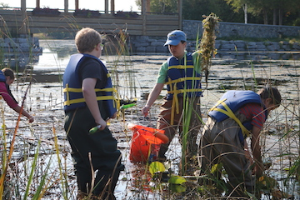
Alpena students’ project yields more than 1,000 pounds of invasive frogbit
Published on December 6, 2017
First- and fifth-grade students remove invasive species from Great Lakes watershed, clean up along the Thunder Bay River -- and captured it all on film. -
Become a steward of Michigan's inland lakes
Published on November 29, 2017
Go from a concerned resident to a super scientist by getting involved with programs like the Cooperative Lakes Monitoring Program and Introduction to Lakes. -
MSU prof seeks crowdfunding support for Great Lakes fish diet research
Published on November 29, 2017
You can be a part of this important study by donating to support student researchers analyzing stomach samples from Lake Michigan and Lake Huron. -
When it comes to water resources, can one person make a difference?
Published on November 21, 2017
Whether working alone or working with others, taking action can help your local watershed. -
Michigan Natural Shoreline Partnership seeks individuals interested in becoming professionals
Published on November 21, 2017
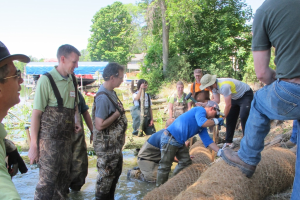
Annual certification training will be offered March 6-7, 2018 in East Lansing to prepare those working at the water’s edge. -
Understanding lakeshore ecosystems — Part 2: Inland lakes
Published on November 21, 2017
Poor lake shore habitat is the biggest problem in the nation’s lakes, says EPA. -
Understanding lakeshore ecosystems — Part 1
Published on November 21, 2017
As users of lakes and lakeshores, we need to be vigilant about taking care of this irreplaceable natural resource. -
DNR seeks comments on Lake Michigan Fisheries Management plan
Published on November 15, 2017
November meetings in Manistique, Traverse City, and Grand Haven to share details and solicit input on proposed plan. -
Managing riparian forests
Published on November 13, 2017
A range of human and ecological benefits come from managed forests and Michigan’s riparian forests are no exception, although these woodlands are too often left as “no management” buffer zones.





 Print
Print Email
Email