


Projects
PCR-less DNA biosensors for infectious disease detection
Objective: To develop amplification-free PCR-less DNA/RNA biosensors for genomic DNA/RNA rapid detection of tuberculosis (TB) and dengue.
This project aims to develop DNA/RNA biosensors that do not require amplication and polymerase chain reaction using genomic DNA or RNA of the infectious agent, such as Mycobacterium tuberculosis and dengue virus.
Nanoparticles for rapid diagnosis of tuberculosis (TB)
Objective: To increase the sensitivity of TB detection in clinical samples.
This project synthesizes functionalized magnetic nanoparticles for increasing the sensitivity of acid-fast bacilli smear microscopy and develops biosensors for rapid TB detection in clinical samples.
Nano-bioelectric antimicrobial (NBA) technology
Objective: To develop a new class of antimicrobials against pathogens and diseases.
The goal of this project is to develop a nano-bioelectric antimicrobial technology that can be used as a new class of antimicrobial or antibiotic treatment against microbial pathogens and diseases.
Potential uses of our antimicrobial technology:
1. bacterial prevention in medical implants and surgical packaging
2. biofilm prevention and clean-up in water pipes
3. water filters
4. food packaging
5. shelf-life extension
6. wound dressing
7. DNA lysing
8. oil clean-up
Product DNA for anti-counterfeiting
Objective: To develop field deployable anti-counterfeiting technologies.
This research project aims to develop novel next-generation field deployable non-clonable anti-counterfeiting technologies (ACTs) that will combine novel nanomaterials and DNA tags with data-carrying devices (e.g. RFID and smart phones) to authenticate genuine products and ensure public safety. Specifically, the project will design and develop product DNA barcodes (PDB) for product authentication, product serialization, brand protection, track-and-trace, intelligent supply chain, and law enforcement.
Nanomaterials for biosensing and antimicrobials
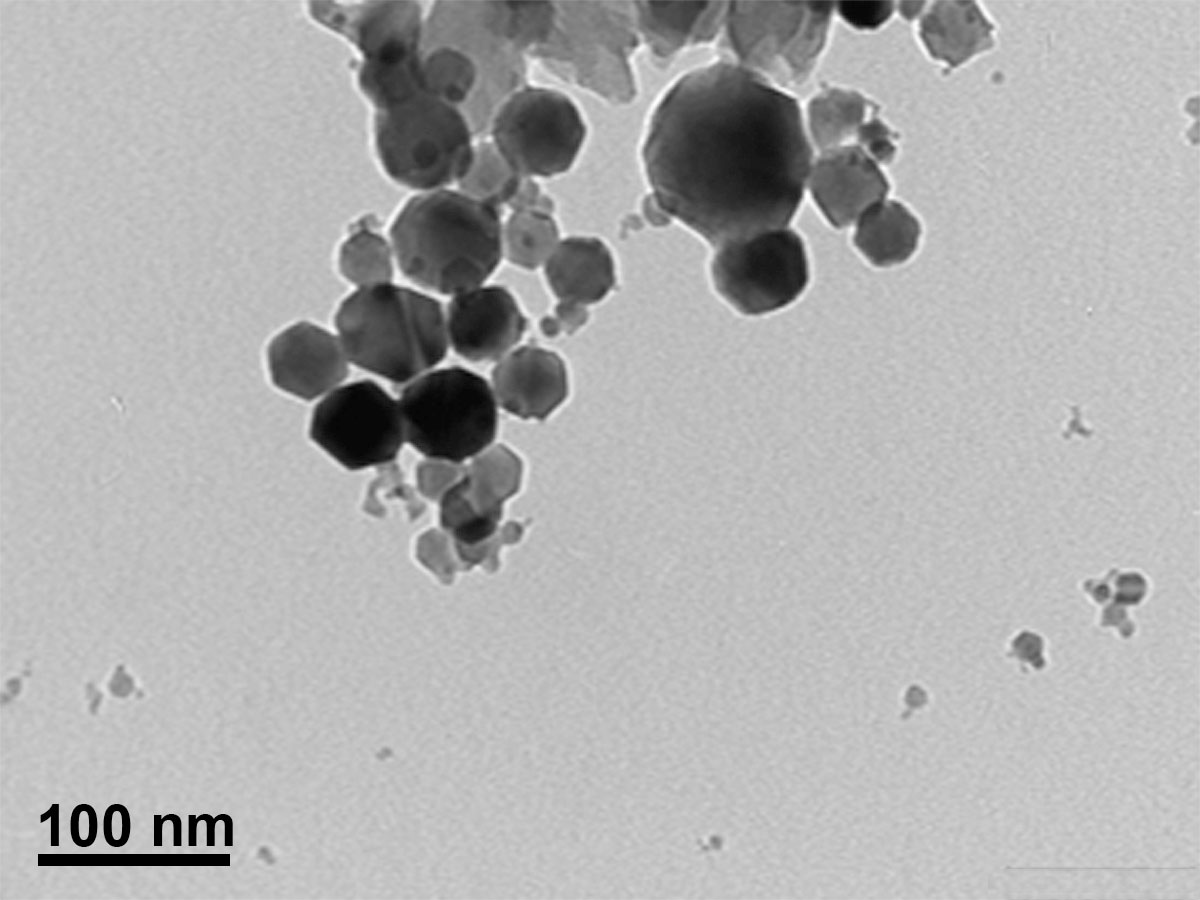
Gold nanoparticles (left); magnetic nanoparticles (right)


Electrically and magnetically active nanoparticles (left); Polyaniline nanowire (right).
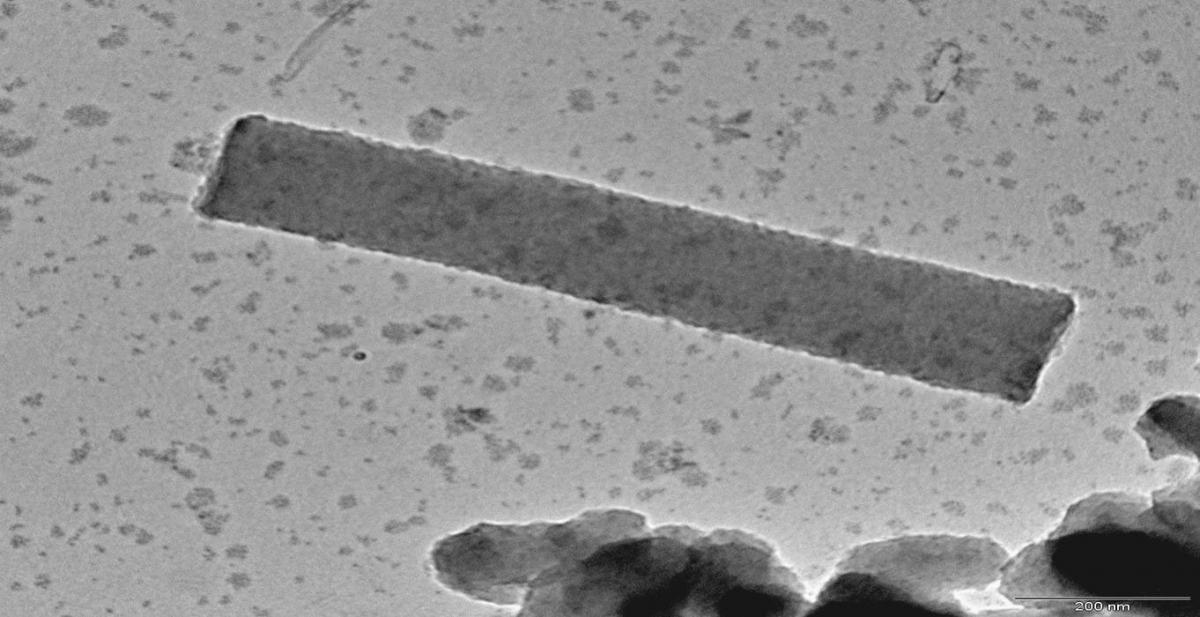
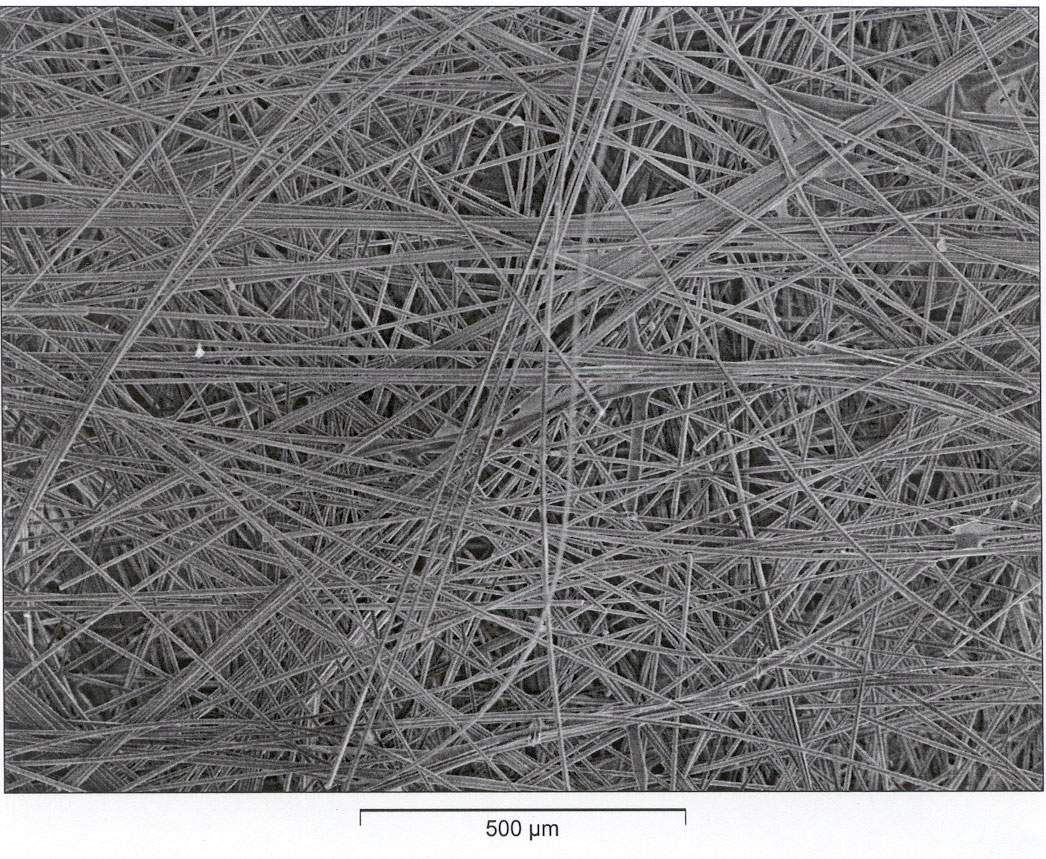
Polyaniline nanowire bundle (left); Polyaniline-carbon nanotube composite (right).

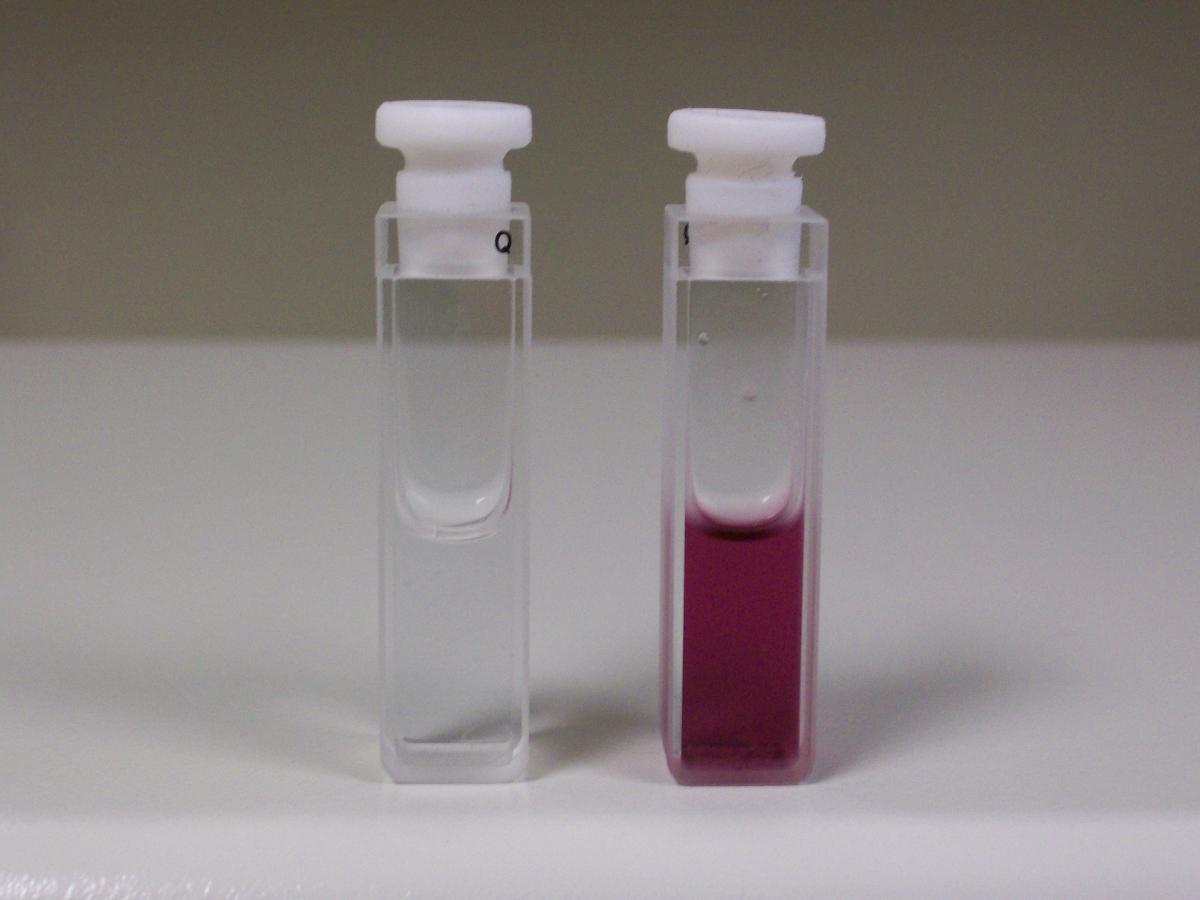
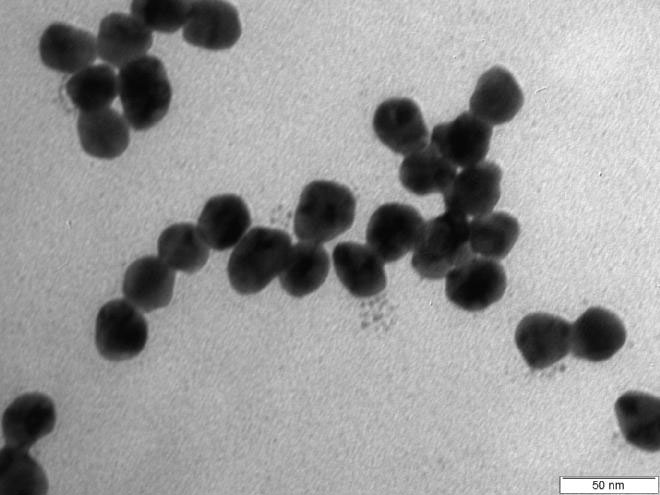
Biologically-synthesized 20nm gold nanoparticles in solution (left); TEM image of nanoparticles (right).
 Print
Print Email
Email