


News
-
Biodiversity Is … Youth voices on biodiversity conservation to be shared through film
Published on January 24, 2017
Thunder Bay International Film Festival features Great Lakes issues, ocean exploration, maritime heritage and more. -
Chemical control of spotted wing Drosophila discussed in upcoming webinar
Published on January 12, 2017
Growers can learn about recent research results on spotted wing Drosophila in webinar on Jan. 25, 2017. -
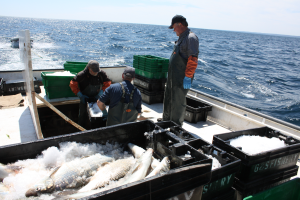
Great Lakes fisheries educational session Jan. 28 will be held in Traverse City
Published on January 4, 2017
Michigan Sea Grant coordinating daylong program on issues influencing commercial fishing on the Great Lakes. -
Winter visits your backyard pond
Published on December 30, 2016
Pond winter management helps to maintain a healthier ecosystem for your plants and fish. -
The Ingham Conservation District helps keep Eyes on the Forest
Published on December 30, 2016
Partnerships with MSU Extension help keep exotic invasive pests at bay. -
Michigan citizens have a history of detecting invasive forest pests
Published on December 19, 2016
Observant and curious citizens that notice and follow up when trees begin to show signs of decline are an asset to the early detection of invasive forest pests. -
2017 Tree Fruit IPM School registration is now open
Published on December 14, 2016
Learn key challenges in orchard systems and how to optimize IPM strategies at Feb. 1-3 Tree Fruit IPM School. -
Managing spotted wing Drosophila in organic small fruit
Published on December 13, 2016
Michigan State University releases new resource on useful information for managing spotted wing Drosophila in organic small fruit production. -
Explore Michigan’s wonderful world of crayfish
Published on December 12, 2016
A new poster celebrates biodiversity of these freshwater crustaceans. -
Biology’s new frontier could have big implications for Great Lakes fish
Published on December 5, 2016
New research shows that epigenetics play a major role in the domestication of hatchery trout.




 Print
Print Email
Email