Caring for Yourself While Caring for Others
 Print
 Email
Supporting others begins with self-care.
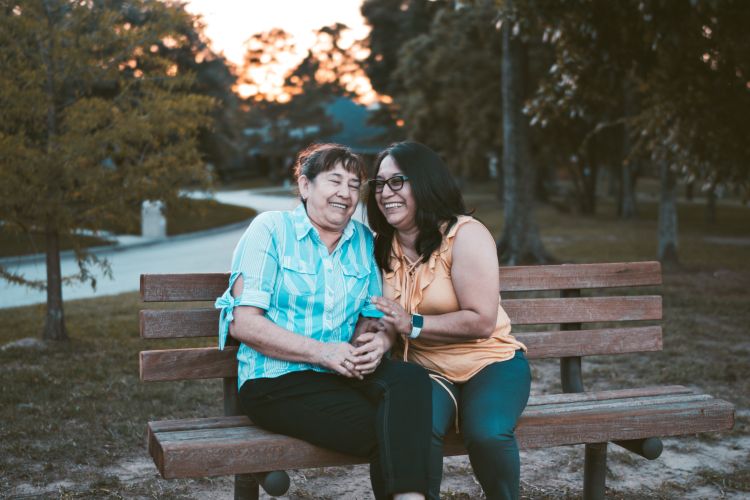
November is National Family Caregivers Month, a time to recognize those who provide care and support to loved ones. Caregiving can be a full-time job, yet millions of Americans provide care for a family member while continuing to manage their own health, families, careers, finances and daily responsibilities. For some people, becoming a caregiver happens over time. For others, it happens suddenly and unexpectedly, leaving little time to prepare for the physical, emotional and other strenuous demands that follow. Many people are doing caregiving without training or adequate support.
A caregiver is someone who assists another person with day-to-day activities, health needs or personal care. This could be handling finances, bathing, running errands, assisting with appointments, cooking, cleaning, preparing food and/or providing emotional support.
According to the AARP's Caregiving in the U.S. 2025 report, approximately 63 million adults are serving as a caregiver in the United States. This is a 50% increase from the number of family caregivers reported in 2015. The same study shows that many caregivers are not doing well, with 20% reporting that their own health is poor.
While caregiving can be a loving and supportive act for someone important to us, it is also stressful. Caregiver stress can show up in different ways, including burnout. Recognizing signs of stress is important to wellbeing. The American Medical Association's Caregiver Self-Assessment Questionnaire can help you reflect on your experiences and identify concerns to discuss with your health provider. It’s important to remember that experiencing stress does not mean you are a bad caregiver. It means you may need some support for yourself.
Although you may not be able to change every aspect of your situation, there are steps you can take to make caregiving feel less overwhelming. Start by making a list of the caregiving tasks that are causing you stress. Consider which things are within your control and which are not. You may find that many of the things on your list are out of your control. For situations where you have some control, focus there.
Often, family members and friends want to be of assistance but do not know what to do. Having a few specific requests ready can make it easier to accept help when it is offered. Help might include preparing a meal, picking up prescriptions, doing yard work, providing transportation, sitting with your loved one for an afternoon or helping coordinate appointments.
Equally important is making time for activities that support your own well-being. MSU Extension suggests that engaging in self-care activities, such as practicing mindfulness, seeking support from professionals when needed and setting realistic boundaries can help maintain your own well-being. These actions may seem small, particularly when responsibilities feel overwhelming, but they can provide opportunities to recharge, restore and reconnect. Self-care should not be viewed as a luxury, but a necessity.
If your caregiving experience is going to be long term, it can be helpful to connect with others who are experiencing similar stressors and seek connections from a caregiver support group. Caregiving support groups can provide an opportunity to share concerns, learn practical strategies and feel less alone. Support groups may be available through hospitals, community organizations and faith-based groups.
Additionally, explore services in your community that offer respite care, in-home help and adult day care services. Online resources include The Family Caregiver Alliance, National Alliance for Caregiving and the National Family Caregivers Association. A hospital social worker, health care provider or local Area Agency on Aging may be able to help you explore available services.
Michigan State University Extension also offers educational programs that support caregivers and their well-being. You do not have to choose between caring about someone else and caring about yourself. Paying attention to your own physical and emotional health, seeking professional support when needed, accepting help and setting realistic expectations are important parts of the caregiving experience.