


How to Create a Food Budget
A food budget, sometimes called a food spending plan, is a way to guide your choices about what you buy to eat. It works as one part of your larger household budget, helping you align food spending with your overall financial goals.
Here are the steps to create a food budget:
1. Track Your Food Spending for One Month
A good food spending plan starts with knowing your current habits. To get a sense of your typical monthly food costs, record everything you spend on food for one month.
Use the tracking tools that work best for you: Save receipts in an envelope, record purchases in a notebook or electronic spreadsheet, review bank or credit card statements, and/or use an online budgeting or money-tracking app or tool.
What to Record
Include these Food Purchases |
What Not to Include* |
Snacks |
Diapers |
School meals |
Clothing |
Food at home / groceries |
Tobacco |
Food for special occasions |
Pet supplies |
Baby formula and baby food |
Household supplies |
Vending machine purchases |
Personal care products |
Beverages (including alcohol) |
|
Convenience or corner store food purchases |
|
Dining out (restaurants, bars, coffee shops, takeout) |
*Even if you buy these at a grocery store, track them in a separate part of your household budget.
2. Review Your Spending at the End of the Month
At the end of the month:
Add up your total food spending.
Look at spending by category, such as groceries, dining out, or convenience foods.
Notice “budget busters.” These are places where you spent more than you expected.
You may also find it helpful to compare your spending to typical food costs for households like yours, using these tools:
USDA Food Plans: Monthly Cost of Food Reports: Shows average monthly food costs for meals eaten at home by household size and spending level (Thrifty, Low‑Cost, Moderate‑Cost, and Liberal).
Economic Policy Institute Family Budget Calculator: Estimates monthly food costs and other basic expenses based on family size and location.
Living Wage Calculator: Shows typical food and living costs needed to meet basic needs in your area.
These tools are references, not rules. The goal is to understand what feels realistic for your situation.
3. Set a Realistic Monthly Food Budget
Using what you learned from tracking and reviewing, choose a monthly food amount that works for now. You can:
Set one total amount for all food purchases, or
Set separate amounts for food spending categories (such as groceries and dining out).
When setting your amount, consider:
Your monthly income
Your fixed expenses (rent, utilities, transportation)
Any food assistance benefits you receive
If you receive food assistance, you may find it helpful to use MSU Extension's My Food Assistance Benefits Worksheet to track benefit amounts and timing.
To help your food budget last all month, try planning by week. Weekly targets can make spending easier to manage and adjust. For example, if your monthly grocery budget is $800 and you shop once a week, aim to spend about $200 per week.
4. Use a Calendar to Stay on Track
A simple paper calendar like MSU Extension's Food Planning Calendar, or a digital calendar can help you plan your food dollars throughout the month.
On your calendar, write down:
Paydays
Grocery shopping days and spending limits
When food assistance benefits arrive
Benefit expiration dates
Special events (birthdays, holidays, potlucks)
Store sales, coupons, or discounts
Due dates for household expenses (credit cards, housing, utilities, etc.)
Mapping these dates can help you stretch your food budget and avoid running short.
5. Expand Your Food Spending Power
Sometimes planning alone is not enough. You may need more resources. You can increase your food spending power in these ways:
Increase Food Resources
Look at your larger household budget and identify "budget busters" for non-food items. Shifting even a small amount from non‑food categories can make your food dollars go much further.
See the Stretch Your Benefits section of this website or visit the Michigan Department of Health and Human Services to learn about food assistance benefits you may be eligible for.
Call or text 211 or visit 211.org to find resources for food, housing, utility help and other essential needs.
Lower Food Costs
Learn about low-cost strategies by visiting the Plan Meals, Shop Smart, and Budget Friendly Recipes sections of this website.
Use both approaches to make the biggest impact!
Want to Learn More?
For help with money management and creating a full household budget, visit MSU Extension's MI Money Health website.
Food Budgeting Articles
-
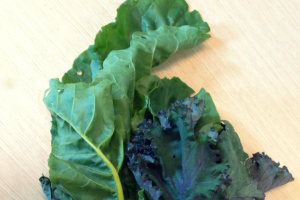
Michigan greens are a year-round treat
Published on June 6, 2016
Spinach and collards and kale! Oh my! How to properly wash, prepare and preserve your greens. -
Tipping your servers: abolish the practice or embrace it?
Published on April 14, 2016
Questions about servers and tipping are answered to assist in determining one’s attitude about the controversy. -
Cooking curriculum for youth
Published on April 13, 2016
Looking for a hands-on way to teach youth about cooking? Consider cooking curriculums that engage youth in learning and raise their excitement in food and nutrition. -
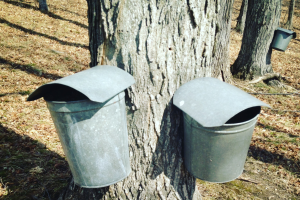
Sweeten your day with Michigan maple syrup
Published on March 22, 2016
March means its maple syrup season in Michigan. -
Adopting more meatless meals
Published on March 8, 2016
Health benefits, tips and other facts for introducing your family to meatless or vegetarian type meals. -
What to do with your leftover rice?
Published on March 7, 2016
Have leftover rice from takeout or home cooking? No worries. Here are some great tips on how you can use it.


 Print
Print Email
Email