


News
-
West central Michigan small fruit update – Aug. 4, 2020
Published on August 4, 2020
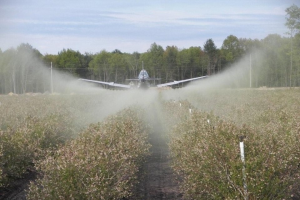
Managing spotted wing Drosophila in blueberries and raspberries is critical during harvest. Lower daily temperatures are an opportunity for using a wider range of insecticide products recommended for control. Currently, pyrethroids are very effect. -
Northwest Michigan fruit update – Aug. 4, 2020
Published on August 4, 2020
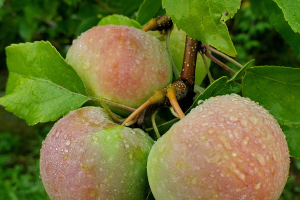
Cherry harvest is nearly complete and apples are sizing nicely. -
August is key time for protecting clusters from grape berry moth
Published on August 4, 2020
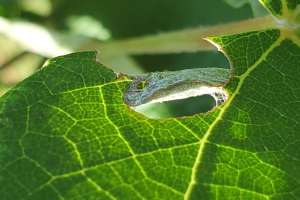
Scout vineyards and plan your product selection and timing. -
East Michigan fruit update – Aug. 4, 2020
Published on August 4, 2020
Much needed rain finally arrived for most of east Michigan in the past week. Blueberry and early peach harvest continue across the region. -
Southwest Michigan fruit update – Aug. 4, 2020
Published on August 4, 2020
Brown marmorated stink bug nymphs and adults are being caught. -
Protect your farm from a serious disease outbreak
Published on August 3, 2020
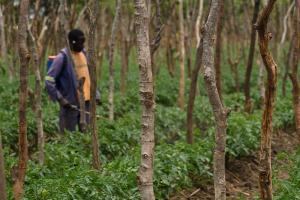
This story originally appeared in the June 4, 2020 online edition of Michigan Farmer Magazine. -
New Pesticide Study Could Lead to Improvements in Farmer Health
Published on August 2, 2020
AFRE's Joseph Goeb reflects on the findings of a new study he co-authored in the Journal of the Association of Environmental and Resource Economists entitled "Pesticides: What you don't know can hurt you." -
July/August corn water needs
Published on July 30, 2020
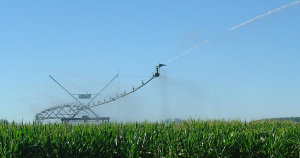
The water needs of corn peak in July and taper off in August as we near dent stage. -
Southwest Michigan field crop update – July 30, 2020
Published on July 30, 2020
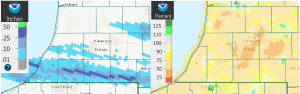
Hot and dry…have we heard that before? The southwest region is now being categorized as “abnormally dry,” and rainfed crops will continue to struggle with little precipitation in the coming week. -
Corn and soybean harvest: Make sure to calibrate your yield monitor and get paid for it!
Published on July 30, 2020
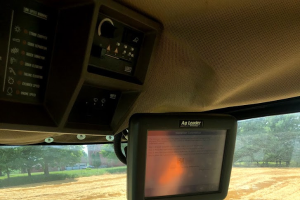
Accurate calibration provides accurate data. Farmers located in the Western Lake Erie Basin can qualify for funds and have their yield monitors calibrated by MSU Extension.
 Print
Print Email
Email