Checklist to prepare 4-H animal project facilities for winter weather
 Print
Print Email
EmailTen items to check for and do before winter weather arrives when you have or are getting 4-H animal projects.
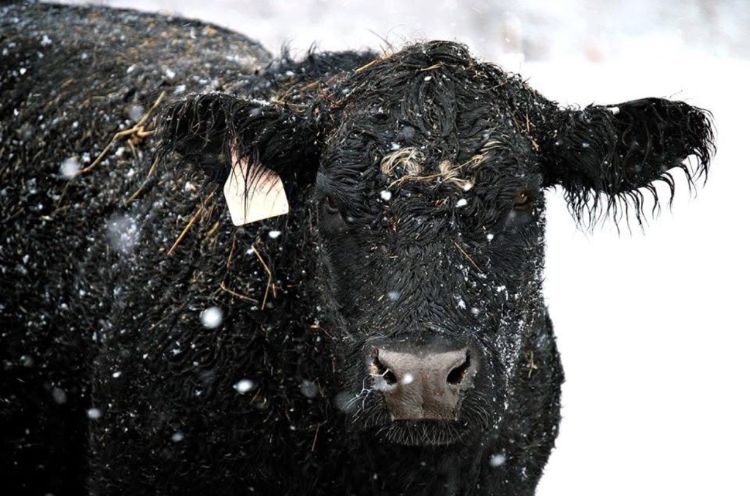
When leaves are falling in Michigan, it means winter weather is right around the corner. Many youth currently have steers and breeding projects at home, and many others will bring home their market project animals in cold winter weather. It’s never too late to double-check your facilities before cold weather really sets in.
Michigan State University Extension provides this checklist to determine if you are ready for cold weather for your project animals.
- Barn is clean. Manure and dirty bedding are easier to remove when they’re not frozen. Use the warmer, fall weather to clean the barn (and even spread manure if you’re able to do so in your area).
- Barn is disinfected. Once your barn is clean, simple disinfectants such as diluted bleach can be used in a sprayer to clean floors, walls and equipment. One important reminder is to allow the facility time to dry before adding bedding to the area or placing animals there.
- Fair supplies are unloaded and unpacked. Many youth will exhibit animal projects throughout spring and summer at local fairs and shows. When done with these events, it can be easy to forget to unpack the show supplies. Some supplies can freeze in cold weather and create even more of a mess. Other supplies may produce mildew if left out in cold weather. Doing a quick check of supplies can help you prevent cleanup in spring.
- Feeders and water pails are cleaned. Two areas continually used by livestock on a daily basis are feeders and waterers. Use a brush to clean the feeders and break apart any stains to the water pails, then take the cleaning one step further by disinfecting. Once the disinfecting agent has had time to dry, thoroughly wash with water and dish soap to alleviate any undesirable taste and remove the chemical.
- Old feed is disposed of or properly stored. Some feedstuffs, such as hay, are meant to last longer but must still be properly stored. Concentrate feeds could go bad and may need to be disposed of. Make sure to have a way to properly store all of your feed prior to cold weather.
- Water supply is ready for cold weather. Heaters should be in place in water tanks and you should have other resources ready to help with frozen water if you currently have animals. With electric heaters, make sure there is no way animals can get ahold of the cord and there is no stray electricity in the water. If you don’t currently have animals, drain and unhook water lines, buckets, etc., to prevent freezing. Don’t forget to drain hoses!
- Bedding supply is ready. Bedding is helpful for animals to regulate their body temperature. Bedding varies greatly by species and should be appropriate for the age of the animal.
- Rodent traps are in place (if needed). Rodents often travel inside, becoming more noticeable in the winter weather. Setting traps in fall and checking them regularly will help you better monitor your rodent population and prevent potential contamination concerns.
- Blankets and heaters are ready if needed. Depending on the animals you raise, heat lamps or other heating sources, including equine blankets, may be necessary. Make sure warming equipment is easy to access and in good working order.
- Establish a veterinarian/client/patient relationship. If you currently have animals at home or if you will be getting animals in winter weather, make sure you have a veterinarian in your area that is willing to treat your animals. Knowing who to contact in case of an emergency will make communication easier if the need arises.
Interested in getting started in 4-H animal science projects? Contact your local Michigan State University Extension office to connect with your 4-H program coordinator for more information.