


Search Filters
-
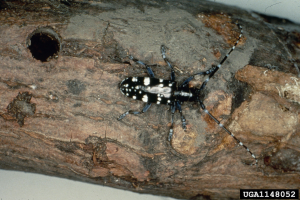
Watch out for these Invasive species that threaten our forests
Published on March 27, 2019
Forests are experiencing a wide range of threats from pests. Forest-lovers can better assess forest health by knowing more how to recognize these pests and reporting them to the Michigan Invasive Species Information Network. -
Moving pests around inadvertently is just too easy
Published on February 5, 2016
The unintentional movement of invasive pests such as gypsy moth and emerald ash borer was one of the major ways these insect pests were transferred around Michigan. -
Pest management: Leave firewood at home this summer
Published on July 5, 2012
Because of the potential of spreading forest pests, MSU Extension forestry educators recommend not transporting firewood from home to campsites around the state. -
Manage your woodlands and landscape today for future success
Published on March 26, 2014
Landowners need to be mindful of pests and adopt management practices which will better ensure a healthy forest future. -
Exotic forest insects
Published on August 8, 2014
Exotic pests are one of the more serious threats to forest health. While few exotics pose serious challenges, there are some insects, diseases, and plants that do. Eradication is possible if small infestations can be detected early. -
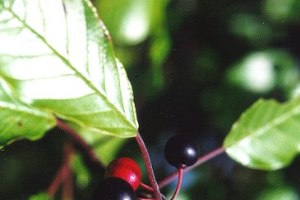
Exotic forest plants
Published on August 19, 2014
Exotic pests are one of the more serious threats to forest health. While few exotics pose serious challenges, there are some insects, diseases and plants that do. Eradication is possible if small infestations can be detected early. -
Therese Poland Receives NCB Legacy Contribution Award
Published on March 12, 2026
Therese Poland has been honored for her long-standing contributions to protecting forest ecosystems from invasive insects. -
Mitigating effects of invasive insect attacking hemlock trees
Published on October 1, 2018
A tiny insect — no larger than 1.5 millimeters in length — threatens more than 170 million trees in Michigan, and the cascading ecosystem effects could be catastrophic. -
Exotic invasive pests may be more newsworthy, but native pests can also be the cause of damage
Published on December 28, 2017
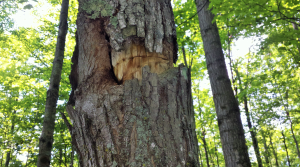
With so much focus on exotic pests when they move into our forest resources, there is a tendency to overlook damage from native species, such as the sugar maple borer. -
Priority Plant Patrol encourages community scientists to watch for invasive species
Published on April 25, 2024
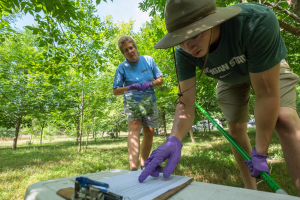
Community members can monitor sentinel trees for invasive forest pests and survey local hiking trails for priority list invasive forest plants through the Michigan Eyes on the Forest Priority Plant Patrol Program. -
Robert Haack
Adjunct Professor, Forestry
haack@msu.edu
-
Keep your woods healthy for tomorrow
Published on June 17, 2020
Forest owners have a new tool to identify and address threats to their own forest’s long-term health. -
Therese Poland
Adjunct Associate Professor
polandt@msu.edu
517-884-8062
-
Firewood best practices for healthy forests
Published on November 8, 2022
Buy local or buy heat treated or kiln dried firewood. -
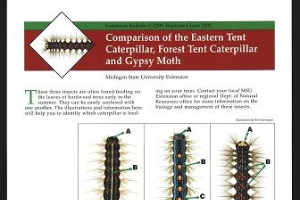
Comparison of the Eastern Tent Caterpillar, Forest Tent Caterpillar, and Gypsy Moth
Published on May 1, 2001
Gypsy moth, forest tent caterpillars, and Eastern tent caterpillars are often found feeding on the leaves of hardwood trees early in the summer. -
Common Oak Defoliators in Michigan (It's Not Always Gypsy Moth!)
Published on August 1, 1999
The goal of this bulletin is to describe some common insects other than gypsy moth that feed on oak leaves. -
Natural Enemies of Gypsy Moth: The Good Guys!
Published on April 14, 1999
The goal of this bulletin is to help you learn to recognize some of the important natural enemies that may help control gypsy moth in your area. -
Forestry Assistance Program forester for Gogebic and Ontonagon Counties
Hiring Organization: Gogebic Conservation District
Employment type: Full-Time
Application Due Date: September 30, 2023
Job Location: Bessemer, MI
-
Tiny invasive insect attacking hemlock trees in Michigan
Published on February 22, 2018
A tiny insect threatens more than 170 million trees in Michigan, and the cascading ecosystem effects could be catastrophic. MSU researchers are working to stop it.









 Print
Print Email
Email