


Search Filters
-
For sake of forest health it's best not to move firewood
Published on October 5, 2015
Michigan State University Extension recommends that firewood should not be transported long distances to be sure forests pests are not unintentionally spread to new areas of the state. -
MSU outreach program targets Invasive pests threatening Michigan trees
Published on August 31, 2015
Thousand Cankers Disease, Asian Longhorned Beetle and Hemlock Wooly Adelgid targets of new outreach project that seeks to get residents involved by providing a network for tracking and reporting possible new invasive species. -
Early detection is vital for success in combating invasive pests
Published on November 8, 2016
Once established on a widespread scale, hope for eradication of unwanted invasive pests is unlikely. Early detection, teamed with a rapid, efficient response, is our best hope to reduce damage caused by these unwanted pests. -
Getting the public involved in tracking and reporting on invasive species
Published on August 14, 2015
Michigan State University research scientists and Extension educators are teaming up to alert Michigan residents to potentially damaging invasive forest pests. -
Assistant Professor and Extension Specialist in Forest Health
Hiring Organization: Auburn University
Employment type: Full-Time
Application Due Date: March 4, 2024
-
Citizen science volunteers are being recruited to help protect Michigan’s tree resources
Published on November 2, 2016
There is an impending possibility of new populations of invasive pest species poised to enter the state and wreak havoc on the state’s forestland and urban tree resources. -
Forest Types of Michigan: Forest Tree Health and Vigor
Published on November 18, 2015
Forest Tree Health and Vigor discusses elements that are part of the debate on what constitutes a healthy forest. -
Eyes on the Forest
Linking research, outreach and communication activities to create a network of volunteer “citizen scientists” who select and monitor healthy trees, across the state, and help identify future outbreaks of invasive pests.
-
Seeing the forest through the dead trees
Published on March 24, 2016
The spread and establishment of invasive forest species such as Emerlad ash borer can alter forest ecology and create far-reaching impacts that go beyond just dead trees. -
Keep your eye on your trees
Published on August 4, 2016
Checking the trees in your yard for signs of insect damage could help prevent Michigan’s next invasive forest pest. -
Invasive Species | Firewood Safety
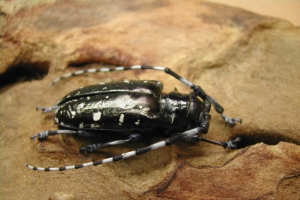
Photo by Lawrence Barringer, Pennsylvania Department of Agriculture, Bugwood.org
-
Assistant Professor - Forest Health - Department of Environmental Science, Policy, and Management
Hiring Organization: University of California, Berkeley
Employment type: Full-Time
Application Due Date: November 29, 2023
Job Location: Berkeley, CA
-
Delta Conservation District Forester
Hiring Organization: Delta Conservation District
Employment type: Full-Time
Application Due Date: August 31, 2024
Job Location: Gladstone, MI
-
Plant Health. Healthier Planet.
Published on July 1, 2020
This series of Futures articles supports the United Nation's 2020 Year of Plant Health. From combating food insecurity to fighting disease and invasive pests, we highlight our research and its impact on plant health here. -
The Ingham Conservation District helps keep Eyes on the Forest
Published on December 30, 2016
Partnerships with MSU Extension help keep exotic invasive pests at bay. -
Boring insects are not boring, they’re serious pests
Published on February 3, 2016
Boring insects are serious pests that can severely endanger tree health and kill a tree. While many species of boring insects are native to Michigan, they rarely cause as much wide-scale damage as an exotic or non-native borers does. -
New podcast on forest invaders and the researchers who aim to stop them
Published on April 15, 2020
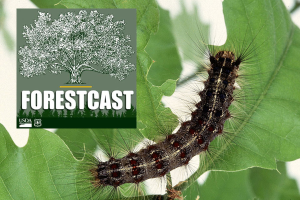
Produced by the USDA and supported by MSU Entomology, the first season of Forestcast features scientists and their work with the most damaging forest insects in the Northeast and Midwest. -
How to control invasive pests while protecting pollinators and other beneficial insects
Published on May 1, 2019
Pesticides should never be applied unless they are necessary to maintain plant health.




 Print
Print Email
Email