


Search Filters
-
Agricultural pesticides are undergoing significant label changes that growers should be aware of
Published on April 25, 2025
An ever-increasing number of pesticide labels require applicators to utilize the Bulletins Live! Two system to check for additional use limitations to protect endangered species and their habitat. -
White pine weevil damage on conifers is causing wilted leaders
Published on July 15, 2011
White pine weevils are damaging conifers in Christmas tree fields and landscapes, causing the current year's growth on the leader to wilt, droop and eventually die. -
Invasive jumping worms: Background, identification and control
Published on October 21, 2025
Take action now to protect your garden and slow the spread of these invasive pests. -
Braving the blizzard to find better labor management
Published on February 27, 2013
Agriculture labor management meetings help farmers brave the storm to find lasting labor solutions. -
Armillaria root rot
Published on May 18, 2007
A resource on Armillaria root rot. -
Protecting Michigan’s water resources
Published on March 16, 2013
Michigan borders some of the world’s greatest fresh water resources. Protecting the water quality of these resources is the goal of projects throughout the state. -
Core manual/RUP review offered in Spanish on Feb. 27
Published on February 14, 2020
Prepare for the MDARD Core Pesticide Applicators Certification exam with this Spanish-speaking review session in West Olive, Michigan. -
MSU Plant & Pest Diagnostics names new director
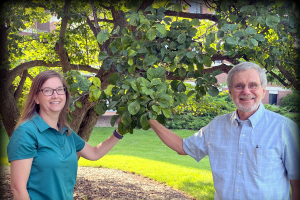
Published on August 1, 2024
Plant diagnostic services continue at MSU Plant & Pest Diagnostics under the new direction of Jan Byrne, PhD, following the retirement of Ray Hammerschmidt, PhD. -
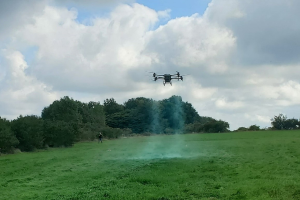
Spray drone demonstration for pest management in vegetable and field crops
Published on August 6, 2024
Learn and discuss with fellow vegetable and field crop growers and MSU Extension educators about drone usage for pesticide and fertilizer application, plus seeding cover crops. -
Update on garlic mustard biological control
Published on May 18, 2007
Garlic mustard is a biennial invasive weed native to Europe that is now widely distributed across North America from Georgia to Alaska. -
Summer stress of turf on golf courses
Published on August 10, 2012
The drought and heat during the 2012 summer has resulted in tremendous stress to golf course turf. -
Smart lawn alternatives to protect pollinators
Published on February 10, 2017
Create pollinator-friendly lawns that are inviting to bees and other pollinators. -
Michigan Conservation Stewards Program helps ready the next squad of citizen scientist superheroes
Published on January 2, 2018
Volunteer leader training program inspires Michigan residents to engage in local conservation efforts. -
Lawn turf update - July 6, 2023
Published on July 6, 2023
Lawns have recovered following the dry conditions the last couple months but now many diseases are appearing. -
New products in the news: Are you reading a sales pitch?
Published on March 1, 2020
Knowing when an article is really an advertisement can help you make smart decisions. -
Using climatology to estimate first freezing temperatures of the fall season
Published on August 30, 2019
Statistics help narrow down the timing of first freezing temperatures across Michigan. -
Safe pesticide storage tips
Published on February 28, 2011
Check your storage area to ensure you are taking advantage of these practices for best results. -
Inland lake habitats critical to maintaining healthy lake ecosystems
Published on July 21, 2024
Understanding the five distinct lake zones and the habitats they provide is key to restoring or maintaining lake ecosystem health. -
Lawn turf update - May 4, 2023
Published on May 4, 2023
Lawns have been slow growing this spring with the unusually cold and wet weather but the forecasted warmup by the end of the week will have lawns and weeds springing to life. -
June beetle numbers high in 2011
Published on June 14, 2011
With the large flight of adult June beetles this year, watch for a high white grub population and increased root injury the next two growing seasons.



 Print
Print Email
Email