


News
-
Register for the 2026 MSU Spring Spray Drone Fly-In
Published on April 1, 2026
Refine your spray drone skills at Michigan’s premier hands-on workshop on April 8 and earn Michigan RUP credits. -
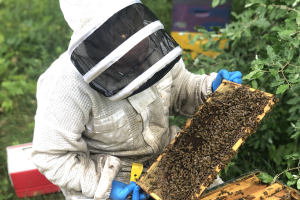
The 2025-2026 United States Beekeeping Survey is live!
Published on April 1, 2026
Beekeepers can participate in a national effort that tracks long-term trends of U.S honey bee colony health by taking the survey by April 30, 2026. -
Conservation Easements within Farm Succession Planning – recording now available for viewing online
Published on April 1, 2026
Watch the recorded webinar to learn about using conservation easements from land conservancy experts. -
Michigan 4-H Foundation offers mini-grants up to $2,000 to local 4-H programs in 2026-2027
Published on April 1, 2026
Grant opportunities of up to $2,000 are available from the Michigan 4-H Foundation to support local 4-H clubs and county programs for the 2026-2027 program year. -
Buying day to fair week: New educational 4-H swine videos from MSU Extension
Published on April 1, 2026
Discover the latest educational videos from MSU Extension designed to support 4-H families involved in swine projects for fairs. -
Southeast Michigan fruit update – April 1, 2026
Published on April 1, 2026
Apples are at green tip in apples and blueberries are at bud swell. -
'DASH' divers help lake residents manage aquatic invasive species
Published on April 1, 2026
Learn how divers can survey for and reduce the amount of aquatic invasive species in Michigan lakes. -
Equine history at MSU: How it all started
Published on April 1, 2026
This series will explore the history of horses at Michigan State University. -
Lead like a pro: Proper halter fitting and placement for dairy cattle
Published on April 1, 2026
A short guide to how show halters should be properly worn and fitted on dairy cattle. -
New study shows rapid hormonal rise in honey bees due to heat shock is mitigated by social conditions
Published on April 1, 2026
A recent study shows that heat causes a sharp hormonal spike in isolated honey bees, but social interactions and a key pheromone help prevent this stress response, revealing how bees stay resilient in a warming world.



 Print
Print Email
Email