


News
-
Explaining the new H-2A Wage Rule for Michigan growers
Published on December 12, 2025
The H-2A program provides a legal pathway for U.S. agricultural employers to hire seasonal foreign workers when domestic labor is not available. -
Making New Year’s Resolutions That Work
Published on December 11, 2025
Tips for making changes that will continue well into the new year. -
Staying safe and stable during the Michigan winter
Published on December 11, 2025
Simple tips to help reduce your risk for winter-related falls. -
Maintain your brain health as you get older
Published on December 11, 2025
Keep your brain fit for a better life. -
How to safely store and preserve pawpaws
Published on December 11, 2025
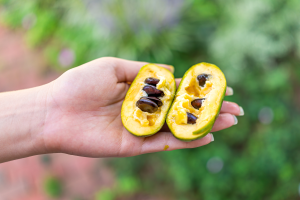
Pawpaws are nutritious, deliciou, and unique. Learn about safe storage and preservation methods for best quality. -
Understanding PFAS
Published on December 11, 2025
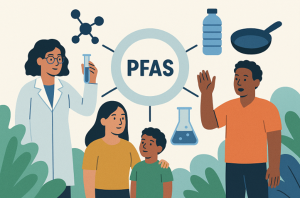
Per- and polyfluoroalkyl substances, what they are, how they affect us, where they come from and what we can do. -
Staying active with neuropathy
Published on December 11, 2025
Do you have neuropathy that interferes with your physical activity? Here are some tips to help you stay active. -
Making mindful connections to heal loneliness
Published on December 11, 2025
Loneliness impacts us in many ways throughout our lives. One way to reduce feelings of loneliness is by practicing mindfulness. -
Indoor fitness in the winter
Published on December 11, 2025
Stay fit inside if being active outdoors is challenging. -
Keeping food safe during a power outage
Published on December 11, 2025
Keeping cold food safe during a power outage is vital in preventing foodborne illness.





 Print
Print Email
Email