


News
-
MSU Christmas Tree 2026 Spring Meeting registration now open
Published on March 16, 2026
Get a jump start for spring with information on Christmas tree weed management, sprayer calibration, planting practices, and scouting tips. -
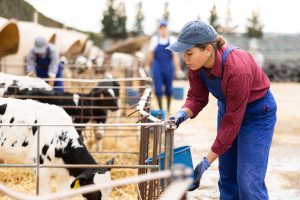
MSU Extension offers Healthy Animals, Strong Farms trainings for Upper Peninsula livestock farms
Published on March 16, 2026
Small and diversified livestock farms in Michigan’s Upper Peninsula can strengthen animal health and protect their farms by attending upcoming Healthy Animals, Strong Farms trainings offered in two locations. -
Hannah Stella Tenkorang Mexico Study Abroad 2026
Published on March 14, 2026
Hannah Stella Tenkorang, an FSHN Nutritional Sciences student, shares her study abroad experience in Huatulco, Mexico and how receiving an FSHN Study Abroad scholarship has enhanced her experience within her major. -
INTERIO:SCOPE, Summer-Fall 2025
Published on March 13, 2026
Download the Summer-Fall 2025 Issue of INTERIO:SCOPE - the Interior Design program at MSU's annual newsletter - for a look into the interior design world at MSU through the faculty, students and alumni. -
Bulletins Live! Two and PALM hands-on training coming to Huron County
Published on March 13, 2026
Confused on all this talk about Bulletins Live! Two and Pesticide App for Label Mitigations (PALM)? Come join MSU Extension on March 25 to learn more. -
Max Helmberger Receives NCB Excellence in Early Career Education and Engagement Award
Published on March 13, 2026
Max Helmberger has been awarded for his innovative, student-centered approach to teaching entomology. -
MSU, Glanbia collaboration advances environmental sustainability at Michigan dairy processing facility
Published on March 13, 2026
The partnership pairs MSU research expertise with industry innovation to advance environmental sustainability at one of the state’s largest dairy processing facilities supporting the safe, reliable processing of 2.9 billion pounds of milk each year. -
The importance of food safety for susceptible groups
Published on March 12, 2026
High risks groups are especially susceptible to foodborne illness. Knowing more about these groups is important to reduce their risk, but all food should be handled as if we are all high risk. -
Purple Up! for military families
Published on March 12, 2026
On April 15, join Michigan 4-H Military Partnerships in wearing purple to show your support for our military families. -
What should you do when bringing home your 4-H project animal?
Published on March 12, 2026
When bringing animals back to the farm, make sure to implement a biosecurity program.




 Print
Print Email
Email