


Fruit Pest and Beneficial Search
Help us improve this search tool by leaving feedback in this short survey
Use this search to identify diseases, insect and mite pests and beneficials, a critical step in any integrated pest management (IPM) plan. This search covers tree fruit and grape pests and is based on the publications “Tree Fruit Field Guide to Insect, Mite, and Disease Pests and Natural Enemies of Eastern North America” and “A Pocket Guide for Grape IPM Scouting in the North Central and Eastern United States.”
-
Alternaria blotch
Disease
The disease primarily affects the foliage, causing circular, necrotic lesions with a light brown interior that later become surrounded by a darker purplish halo.
-
Alternaria fruit rot
Disease
The disease appears as velvety dark green to black, circular, sunken lesions on mature fruit; the infected tissue is firm and brown. Disease is typically associated with over-ripe or damaged fruit, or fruit held in storage.
-
American hawthorn rust
Disease
Attacks only the leaves of apple and pear; affects the apple varieties McIntosh and Cortland in particular.
-
American plum borer
Insect
The adult is a light grayish brown moth with reddish brown forewings marked by wavy black and brown vertical bands about two-thirds the distance from the base.
-
Angular leaf scorch
Disease
Lesions are initially yellow or reddish and confined by major veins. They later become necrotic and surrounded by yellow or red margins. Late-season infections may look like freckled spots and can cause premature defoliation. Infected flower clusters dry up. Unlike Botrytis blight, this disease infects only the berry stems, not the rachis. The pathogen overwinters in fallen infected leaves. The disease may seem absent in most years but can be severe in years with prolonged rainy weather.
-
Annual Bluegrass
Weeds
Annual bluegrass is unique among weeds. There is probably no other weed that is so widely adapted to variations in mowing height, site conditions and cultural practices.
-
Anthracnose
Disease
Lesions start as small, circular, tan to brown spots on mature or nearly mature fruit. Lesions expand rapidly, with a tendency to form concentric rings that may or may not be sunken.
-
Ants
Insect
A column of ants on a vine during the summer may be tending mealybugs because ants feed on the secreted honeydew.
-
Apple (Lyonetia) leafminer
Insect
The adult has narrow white forewings with extensive gray-black and brown markings apically wing margins are fringed with long hairs. The larva is whitish and generally concealed within the leaf mine.
-
Apple anthracnose
Disease
Branch lesions first appear as small, circular spots that are purple or red when wet. As lesions enlarge, they become elliptical, sunken and turn orange to brown. A distinct margin develops between healthy and diseased tissue, which eventually causes the bark to crack around the infected area.
-
Apple latent viruses
Disease
Latent viruses are viruses that survive in their host without causing symptoms. These viruses are transmitted when a virus-infected scion is grafted onto a susceptible rootstock.
-
Apple leaf (curling) midge
Insect
The adult is a tiny dark brown fly, and the larva is a yellow-white maggot with a reddish tinge.
-
Apple maggot
Insect
Adults are black flies with three or four white cross bands on the abdomen, a prominent white spot at the posterior end of the thorax, and the wings are marked with black bands in the shape of an "F".
-
Apple mosaic virus
Disease
Young leaves develop pale to bright cream-colored spots, blotches, bandings or patterns as they expand in the spring. These turn brown and become necrotic as they age and premature defoliation may occur when infection is severe.
-
Apple pith moth
Insect
Head of adult is covered with white scales; forewings are narrow, mostly black or dark brown with white marks and usually with an irregular faint, rusty yellow line in the middle, and with two prominent black scale tufts.
-
-
Apple rust mite
Insect
The vermiform adult has two pairs of legs at the front of its body. Brownish yellow in color, they are invisible to the naked eye, requiring a minimum magnification of 15X to be observed.
-
Apple scab
Disease
On leaves, young lesions are velvety brown to olive green with indistinct margins, and will often not be readily noticeable until after petal fall in commercial orchards.
-
Apple seed chalcid
Insect
Adult is a small, dark wasp with a bright green head, thorax and abdomen with coppery or bronze metallic reflections, brownish yellow legs, clear hyaline wings, and a long ovipositor.
-
Apple sucker
Insect
Adult resembles a miniature cicada, greenish yellow to yellow in color but sometimes containing reds or browns, with eyes pale green to reddish brown, and long slender antennae; wings are transparent and iridescent.
-
Apple union necrosis and decline
Disease
AUND is due to an incompatibility at the graft union where a resistant scion is grafted onto a susceptible, but tolerant rootstock, most commonly MM.106.
-
Armillaria root rot
Disease
The bark at the crown and roots sloughs off easily, exposing the dense white growth of the fungus. The growth extends in a fan-like pattern underneath the bark. Black shoestring-like strands may be obvious on the surface of the bark.
-
Assassin bugs
Beneficial
The head is narrow and elongate with the portion behind the eyes neck-like. Sometimes a sculptured crest may be found on the pronotum. The front legs are specialized for hunting.
-
Ataenius and Aphodius
Insect
Aphodius beetles are active on golf courses mostly in May, while Ataenius beetles are active in June. Ataenius and Aphodius beetles are virtually identical to the naked eye and require an expert with a microscope to identify the species. Turf damage from Aphodius grubs occurs in June while damage from Ataenius grubs occurs in July. The adults are small black beetles, 3/16th of an inch long.
-
Bacterial blossom blast of pear
Disease
The most common symptoms are wilting followed by browning or blackening of blossoms, often spreading through the entire blossom truss and killing the fruiting spur.
-
Bacterial canker (blossom blast)
Disease
Leaf scars, stomata, and areas of injury are the principal sites of infection. The most conspicuous symptoms are limb and trunk cankers, blossom blast, "dead bud", and leaf spotting; these symptoms may or may not occur together.
-
-
Bacterial spot
Disease
On leaves, lesions are small, tan to brown in color, eventually becoming necrotic, and usually surrounded by a yellow halo. There are often numerous lesions on a leaf and they tend to be restricted to areas between veins, which gives them an angular appearance.
-
Bacterial Wilt
Disease
Bacterial wilt is characterized by tiny red-copper-colored spots first appearing about the size of a dime. As more plants die, spots become larger. Small, yellow leaf spots, streaked tan to dark brown spots, dark green, water soaked lesions, shriveled blue to dark green leaves, and yellow elongated leaves are all symptoms that have been associated with bacterial wilt.
-
Banded grape bug
Insect
The banded grape bug has piercing-sucking mouthparts that it inserts into plant tissue to suck out plant sap. It completes one generation per year on grapes and is active in vineyards from shortly after bud break to early July.
-
Bees and bumble bees
Beneficial
Principal species are honey bees and bumble bees. Bumble bees have a robust black body covered with hair of variable colors (yellow, orange, black, and white). Honey bees are more delicate; they are golden brown with yellow rings on the abdomen, and have a hairy body.
-
Bermudagrass
Weeds
Bermudagrass is a warm-season perennial that spreads by stolons (above ground runners). Bermudagrass is a not widely considered to be cold tolerant, however, several selections exist that can overwinter in Michigan.
-
Billbug
Insect
Adult bluegrass billbugs are a small dark gray to black weevil approximately 5/16 of an inch long. Individuals are typically found in small numbers in most lawns. They have a single generation per year with adults becoming active in May.
-
Birdsfoot Trefoil
Weeds
Birdsfoot trefoil is a common perennial broadleaf plant in under-fertilized, minimal maintenance turfgrass sites. It is well distributed across Michigan and the Great Lakes Region.
-
Bitter pit and cork spot
Disease
Small, green to purplish to light brown, slightly sunken lesions appear on the surface of mature fruit. Individual lesions on the fruit surface are dry and do not extend deep into the fruit; however, cutting into the fruit can reveal numerous internal lesions.
-
Bitter rot
Disease
Bitter rot appears on young fruit as small, circular brown lesions. Lesions expand rapidly and radially under wet and warm conditions. As they age, they turn darker brown and become sunken.
-
Black cherry aphid
Insect
Adults and nymphs are shiny black soft-bodied insects; adults may or may not have wings. Nymphs are smaller, but generally similar in appearance to the adults.
-
Black hunter
Beneficial
The adult is a slender, sharply pointed, blue-black insect with silvery wings, which are held over the abdomen.
-
Black knot
Disease
Black knot usually develops over two seasons. The disease first appears in late summer or autumn as an olive-green swelling on new shoots. Disease develops rapidly the following summer, forming a characteristic dark, course-textured warty knot.
-
Black Medic
Weeds
Black medic is a low-growing creeping weed that is well adapted to many lawn situations. In particular, black medic can be an indication of low soil nitrogen. It is most common to find medic in full sun , low maintenance situations. Black medic and white clover grow in similar situation and are often found growing together.
-
Black peach aphid
Insect
These smooth-looking, pear-shaped insects have long antennae and a pair of cornicles extending from the posterior end of the body.
-
Black pox of apple (blister canker of pear)
Disease
On apple, conical, smooth, shiny black swellings are evident on current season's growth. As lesions age, they become ovoid with raised borders. On leaves, lesions begin as small, circular green spots surrounded by a red halo.
-
Black rot
Disease
Black rot can affect all new growth – leaves, petioles, shoots, tendrils and berries – but it is most destructive to fruit clusters. Fruit infections occur from bloom until the berries become naturally resistant (about 3 to 5 weeks after bloom in most varieties). The first symptom, a whitish dot within a rapidly expanding brown area, appears 10 to 14 days after infection. Within a few days, the berry starts to shrivel and becomes a hard, blue-black mummy. If berries are infected close to the onset of natural resistance, lesions remain localized. The fungus over-winters in mummies within the vine or on the ground. Ascospores are released shortly after bud break until about 2 weeks after bloom and are dispersed by wind and rain. Infected tissues can also yield conidia, which are dispersed by rain splash and cause secondary infections. The optimum temperature for disease development is 80°F (27°C). At this temperature, the wetness period required for infection is only 6 hours (see table below). Number of wetting hours required for black rot infection at various temperatures. Ave. temp. (F) / Hr. of leaf wetness 50 / 24 55 / 12 60 / 9 65 / 8 70 / 7 75 / 7 80 / 6 85 / 9 90 / 12
-
Black rot (Blossom end rot, Frogeye leaf spot)
Disease
Fruit infections that occur early in the season appear at the calyx end and typically develop into blossom end rot that may not appear until the fruit begin to mature.
-
Blister spot
Disease
Lesions begin as small, darkened, water-soaked areas, generally around lenticels and typically on the lower half of the apple.
-
Blue mold
Disease
Blue mold enters the fruit through wounds, stem-end invasion, or as a core rot. Infection is first visible as a soft and sunken, yellow to pale-brown circular lesion on the surface of the fruit.
-
Botrytis bunch rot
Disease
Botrytis bunch rot is a fruit rot, but it can also affect other plant parts. In spring, buds and young shoots may be infected and turn brown. In late spring, V-shaped or irregular brown patches may appear on leaves. Inflorescences may become blighted and wither away. Some flower infections remain latent until veraison. Once infections become activated, they spread rapidly from berry to berry. Compact clusters, powdery mildew infection, hail and insect damage, high nitrogen content and rain cracking can predispose grapes to infection. The disease is favored by temperatures of 59 to 68ºF (15 to 20ºC) and spreads rapidly during rainy periods, especially close to harvest. In certain cultivars, slow developing late-season infections are termed “noble rot” because they contribute to the production of exceptionally sweet wines. The fungus overwinters in mummified fruit and other infected plant parts.
-
Braconid and chalcid parasitic wasps
Beneficial
Brown or black, these wasp species are small and difficult to differentiate from one another, except that chalcids have greatly enlarged hind femora (third leg segment). They have two pairs of membranous wings, segmented antennae, and a very distinct head, thorax and abdomen.
-
Broadleaf Plantain
Weeds
Broadleaf plantain is probably the second most common broadleaf weed of turf after dandelion. It is extremely well adapted to most sites including dry or wet conditions, heavy soils and very low mowing heights.
-
Brooks fruit spot
Disease
Appears as irregular, slightly sunken dark green lesions on immature fruit.
-
Brown marmorated stink bug
Insect
Brown marmorated stink bug adults are shield-shaped, with mottled brown coloration on the upper and lower surface. They can be distinguished by lighter bands on antennae and they have darker bands on the membrane part of the front wings.
-
Brown Patch
Disease
Brown patch appears as circular patches, ranging from a few inches to several feet in diameter.
-
American brown rot
Disease
American brown rot is common on apricot, peach, nectarine, plum and cherry.
-
Brown rot
Disease
Infected flowers turn brown, wither, and either become fixed to twigs as a gummy mass or drop like unpollinated flowers.
-
European brown rot
Disease
Monilinia laxa is a plant pathogen that is the causal agent of brown rot of stone fruits.
-
Brown stink bug
Insect
Stink bug adults have a broad, flattened, shield-shaped body and a narrow head. The brown stink bug is brown to grayish-brown and slightly speckled.
-
Buckhorn Plantain
Weeds
Buckhorn plantain is a narrow-leaved perennial that forms a rosette. The 3-10 inch long leaves are less than 1 inch wide and arise from a thick, shallow tap root. Buckhorn plantain is very common in maintained turf but will also survive in meadows and waste areas.
-
Buffalo treehopper
Insect
The pale green adult exhibits a large thorax with two "horns" and a long posterior wedge-shaped body. The cream-colored eggs are laid in a groove on the tree bark, where they overwinter.
-
Bull Thistle
Weeds
Bull thistle is a clumping biennial that forms a thick taproot in its first growing season. The leaves of bull thistle are covered with 'soft' hairs and needle-like spines on the margin.
-
Calyx end rot
Disease
Symptoms begin at the calyx end of the fruit, causing a reddish discoloration at the site of infection. The rot is at first soft, but eventually dries out, turning tan to brown with a red border.
-
Canada Thistle
Weeds
Canada thistle is a creeping perennial that always colonizes in patches. Plants can reach 1-3 feet high. Canada thistle has an extremely well developed creeping root system that can grow several feet deep.
-
Carolina Geranium
Weeds
Carolina geranium is an uncommon weed of low or no-maintenance areas such as fence rows. The leaf shape is very similar to common mallow, except that the leaves are more finely dissected. Pink, inconspicuous flowers are produced within the canopy. Plants typically do not persist after flowering.
-
Cedar apple rust
Disease
On leaves, the disease appears on the upper surface as small, faint, yellow spots shortly after the appearance of active cedar galls found on the alternate host for this fungus, the red cedar.
-
Cherry fruit flies
Insect
The adult cherry fruit fly is somewhat smaller than the house fly, with a yellowish brown head and legs, and white crossbands on the abdomen. The black cherry fruit fly is slightly larger and its abdomen is entirely black.
-
Cherry fruitworm
Insect
The adult is a small, brownish gray moth with a median gray band on the forewings and a dark spot at the base of the hind wings. Although whitish gray with a black head when young, the larva eventually becomes pink tinted, with a brownish tan head.
-
Cherry leaf spot
Disease
Lesions begin as small, circular red to purplish spots on the upper leaf surface. Spots enlarge as they grow older, typically coalescing and turning brown. Lesion centers may eventually drop out to give the leaf a "shot-hole" appearance, particularly on plum.
-
Cherry leafminer
Insect
The adult is a small, bronzy tan-colored moth, with a wavy darkish brown to black band at the outer third of the forewings.
-
Chicory
Weeds
Chicory is a simple (unbranched) perennial with a jagged fleshy taproot. The coarsely-toothed basal leaves are 6-8" long and form a rosette.
-
Chinch Bug
Insect
The chinch bug does not have a pupal stage and the immatures look very much like the adult, but are black and lack wings.
-
Cigar casebearer
Insect
Adult is dark gray with fringed wings. The small yellowish larva of the cigar casebearer has a black head and builds and hides in a cigar-shaped shelter that it carries with it while feeding or attaches to leaves and branches of apple trees.
-
Click beetles
Insect
The click beetle is dark-colored its body is hard and elongated it has a characteristic pair of spurs and sometimes colorful markings on its thorax.
-
Climbing cutworms
Insect
Adults are dark brown or grayish colored moths. Larvae tend to be smooth caterpillars with few hairs, brown or black head capsules, and bodies a dull gray-brown background color with stripes, spots, or dark brown, black, yellow or white splotches.
-
Codling moth
Insect
The adult's forewings are striped with fine brown-gray lines and a distinctive bronze to brown-black oval spot at the tip. Eggs are laid on the leaves or fruit.
-
Common Chickweed
Weeds
Primarily a winter annual, common chickweed is frequently found growing in the mulch skirts of shade trees. In general, common chickweed prefers shaded sites with moist soils. The vegetation forms mounds that are 3-7 inches tall. The delicate white-to-pink flowers appear early in the spring. Plants can persist in protected areas well after flowering.
-
Common Lambsquarters
Weeds
Like many other summer annual broadleaf weeds, common lambsquarters is generally considered an 'establishment weed.' Common lambsquarters needs cultivation (bare, loose soil) to establish.
-
Common Mallow
Weeds
Common mallow most often establishes along culverts, fencelines and near foundations. Common mallow forms a clump whorled branches that do not root where they touch the ground.
-
Common Milkweed
Weeds
Milkweed is easily identified by its upright growth habit and large (entire) leaves. All plant parts will exude a milky white latex when broken.
-
Common Mullein
Weeds
Large oblong densely-hairy leaves growing from a rosette in the first year. Leaves have alternate arrangement in second year. Mullein is commonly found in headlands and boundary areas.
-
Common Purslane
Weeds
Common purslane is a mat-forming summer annual that thrives in all soil types. Common purslane has multi-branched red stems with thick fleshy leaves that cluster at the end of the branches.
-
Comstock mealybug
Insect
Adult females and nymphs are generally similar in appearance, having an elongate-oval shape, no wings, a many-segmented body and well-developed legs.
-
Constriction disease of Stanley plum (Brown line)
Disease
Brown line disease is due to an incompatibility at the graft union when Stanley plum and some other European or hybrid plum varieties are grafted onto Myrobalan rootstock. Asian plums are not affected. Infected trees show a general decline and bear small, pale green leaves.
-
Corn Speedwell
Weeds
Corn speedwell is an upright, clumping winter annual that produces small purple flowers in the spring. The lower, non-flower, portion of the plant has leaves that are round-to-oblong with rounded teeth on the margin in an opposite arrangement.
-
Cranefly
Insect
The insect generally has a single generation per year. The adults, which resemble giant mosquitos, begin to fly in August. The two species are difficult to distinguish from each other, and can also be confused with several species of native craneflies that do not harm turfgrass. The most destructive of the two European species (European cranefly and common cranefly) is the European cranefly.
-
Creeping Bentgrass
Weeds
Creeping bentgrass is a spreading cool-season perennial grass that is commonly used for golf course greens, tees and fairways. Like other grasses, bentgrass can be considered a weed when it is present in another species.
-
Creeping Speedwell
Weeds
Creeping speedwell is a low growing perennial that prefers shade, moist soils, good fertility and a low mowing height.
-
Creeping Woodsorrel
Weeds
Creeping woodsorrel is a spreading perennial weed with a reddish-purple color that frequently roots at the nodes.
-
Crown gall
Disease
Infected trees are often stunted and produce small, chlorotic leaves. Spherical to elongated swellings along the roots or on the trunk just above the soil line is the primary symptom.
-
Crown Rot Anthracnose
Disease
Anthracnose can occur as both a foliar infecting and crown infecting disease.
-
Curly Dock
Weeds
Curly dock is a long taprooted simple (non-branching) perennial that grows in a rosette. The 6-8" long elliptical or lance-shaped leaves of curly dock have entire but wavy margins (not toothed). The youngest leaves smooth margins that get progressively more rippled as the leaf matures. The appearance of the mature leaves resembles leaf lettuce (very curly).
-
Cutworm
Insect
The adults are nondescript brown or grey moths. There are several species that can be a problem on turf. The insect does not overwinter in Michigan (see notes section) and flies in on wind currents in the spring.They can go through several generations per year, so damage can occur at different times over the summer.
-
Dandelion
Weeds
Common dandelion is a simple perennial (no branching) with a basal rosette that has deeply lobed leaves that generally point back towards the center of the rosette. Probably the most common weed in maintained turf.
-
Dock sawfly
Insect
The adult is bluish black with red legs. The larva is a smooth velvety green worm with white legs and a dark head.
-
Dogwood borer
Insect
The adult is bluish black with yellow bands and has clear wings, resembling a wasp. Larva is creamy white to pink with a sclerotized reddish head.
-
Dollar Spot
Disease
Dollar spot is characterized by round, bleached-out or straw-colored spots, ranging from the size of a quarter to the size of a silver dollar. Spots appear as sunken areas in the turf, especially low mown turfgrass.
-
Downy mildew
Disease
Downy mildew is a widespread, serious disease of grapevines. Initial leaf symptoms are light green to yellow spots, called “oil spots” because they appear greasy. Under humid conditions, white, downy spore masses can be seen on the lower leaf surface. These spores are wind dispersed. The lesions eventually turn brown as the infected tissue dies. Severely infected leaves drop prematurely, which can reduce winter hardiness of the vine. Infected flower clusters dry up or become covered with white spores under humid conditions. Infected berries turn a mottled dull green or reddish purple and readily fall from the cluster. Although berries become resistant to infection within 3 weeks after bloom, the rachis remains susceptible for several weeks longer. The pathogen overwinters in infected leaves on the ground. In spring, spores are carried by rain splash to new leaves, where they require a film of water for infection. Lesions appear 5 to 17 days after infection. The disease can spread rapidly under warm conditions with frequent rain or dew. Use the 10-10-10 rule to decide when to start scouting for downy mildew: at least 10 cm (4 in.) of shoot growth, 10 mm (0.4 in.) rainfall and temperatures of 10 degrees Celsius (50 F) during a 24-hour period.
-
Dry eye rot (blossom end rot)
Disease
Symptoms begin at the calyx end of the fruit, causing a reddish discoloration at the site of infection. The rot is at first soft, but eventually dries out, turning tan to brown with a red border.
-
Dusky stink bug
Insect
Stink bug adults have a broad, flattened, shield-shaped body and a narrow head. The dusky stink bug is dark brown, with sharp shoulder projections.
-
Earthworm
Insect
They become active when the ground thaws and will have multiple generations per season. Activity will slow down in late October as the ground temperature decreases.
-
Eastern tent caterpillar
Insect
The adult is reddish brown with two white, transverse-parallel bands. Masses of shiny black eggs are laid in a ring around twigs. Larvae have long silky hairs on their body and a yellow line on their back.
-
English Daisy
Weeds
English Daisy is an escaped ornamental plant that can sometimes be found in lawns and pastures. Prefers heavy, moist, fertile soil and can tolerate mowing heights down to 1 inch.
-
European apple sawfly
Insect
The adult looks similar to a small, orange-brown wasp with the ventral side and legs orange in color. It has transparent wings with many veins. The egg, oval and translucent, is inserted into the receptacle of the flower.
-
European Chafer
Insect
In an average year in southern Michigan, adult flight begins in mid to late June and continues for 2 to 3 weeks. European chafer is a nondescript light brown beetle, 0.5 inch long (smaller than June beetles and larger than Japanese beetles) and robust. They do not feed as adults. Beetles emerge at dusk each evening and tend to congregate in trees for several hours.
-
European corn borer
Insect
Adult is a pale yellowish brown moth with irregular darker bands running in wavy lines across wings male is distinctly darker than the female.
-
European earwig
Insect
The European earwig is dark brown with an elongated body, equipped with pincer-like forceps at the rear of the abdomen. The short elytra do not entirely cover the abdomen.
-
European fruit lecanium (Brown apricot scale)
Insect
The adult female scale is nearly hemispherical and shiny brown, with several ridges along the back. Nymphs are light colored.
-
European fruit scale
Insect
The female is immobile and covered with a circular waxy shell that becomes dark gray over time and is elevated at the center. The adult male is brownish red with an elongated abdomen, long antennae and wings.
-
European red mite
Insect
Adult female European red mites are less than 0.5 mm and dark red with eight legs. Adult males are smaller than the females and have a pointed abdomen. Males are usually dull green to brown.
-
Eutypa dieback
Disease
Eutypa dieback is a progressive disease of the woody tissues of the grapevine. It is mainly found in older vineyards. Symptoms may not show for several years after infection. Initial symptoms usually appear on one arm and are best observed in mid- to late spring when shoots are 10 to 12 inches (25 to 30 cm) long. Leaves are cupped, yellowish and smaller than normal. Shoots are stunted and have fewer and smaller fruit clusters. Severely infected arms or vines develop fewer shoots each year and eventually die. Below the bark, a canker can usually be found surrounding an old pruning wound. The fungus releases spores from the canker once the bark has weathered off. Most spores are released during late winter and early spring when temperatures are above 32ºF (0ºC) and more than 1/25 inch (1 mm) rainfall or snowmelt occurs. The fungus infects vines primarily through pruning wounds, which remain susceptible for a month or more.
-
Eyespotted bud moth
Insect
Adult forewings are bluish gray with a central cream-colored band and black spots. The chocolate brown larva has a black head and thoracic shield.
-
Fabraea leaf spot
Disease
Lesions on leaves and petioles start as small, circular purple to black pinpoint spots.
-
Fairy Ring
Disease
Fairy rings tend to grow in circle shaped patterns through the organic matter in the soil, mat, and thatch, first appearing as dark green circular rings or arcs in the turf.
-
Fall webworm
Insect
Adult is a white moth with dark spots on the wings, which may be less distinct in northern specimens. The pale yellow larva has a dark head and dark tubercles with clumps of hairs.
-
Fanleaf degeneration
Disease
Fanleaf degeneration affects vinifera cultivars. It is characterized by fan-shaped leaves with toothed margins, proliferation of shoots, short internodes and zigzag growth. Foliar symptoms appear early in spring and persist through the growing season. Sometimes leaves show a bright yellow mosaic or yellow vein banding with little or no malformation. Fruit clusters are small with poor fruit set, irregular ripening and shot berries. The causal virus is spread by dagger nematodes and planting material. The virus is not transmitted through seeds and has no natural weed hosts. Roots from infected vines can be a source of infection even after the mother plant has been removed.
-
Field Bindweed
Weeds
Field bindweed is a common weed in subdivisions that were converted from agricultural land. Bindweed has an aggressive rhizomatous root system with trailing stems that spread quickly and can overtake mulched beds, bushes and fence rows. It is common to see bindweed smothering junipers and other bushes. The white and pink flowers are distinctly from the morningglory family. The veins are conspicuous on the arrowhead shaped leaves (sagitate or hastate).
-
Field Horsetail
Weeds
Field horsetail is most often a weed of landscape beds and low-lying areas. Horsetail can survive in turf, but often will not persist with routine mowing.
-
Fire blight
Disease
Blossom blight occurs in the spring. Infected blossoms first exhibit a water soaking, followed by wilting and their eventually turning brown on apple and nearly black on pear. Individual flowers or the entire cluster may be affected.
-
Flatheaded appletree borer
Insect
The adult is a short-horned beetle, flattened above, with short antennae and large conspicuous eyes. The upper surface of the body is dark metallic brown with slightly patterned wing covers.
-
Flavescence dorée
Disease
Flavescence dorée affects only vinifera grapes and interspecific hybrids. Labrusca cultivars are resistant. Symptoms usually appear the year after infection and either get progressively worse until the vine dies or disappear in an apparent recovery. Symptoms include delayed or no bud break and progressively shortened internodes. In summer, vines take on a weeping posture, and shoots become rubbery and fail to lignify. Characteristic black pustules may be seen in longitudinal rows near the bases of shoots. The leaves have golden yellow or reddish patches and curl downward. Growing points become necrotic, and flower and fruit clusters shrivel up and fall. The pathogen overwinters in infected canes and is spread by a leafhopper. Symptoms may resemble those of certain virus diseases or potato leafhopper damage.
-
Flyspeck
Disease
Sooty blotch and flyspeck are found together on the same fruit and affect only the epidermal layer of the fruit. Flyspeck colonies appear as distinct groupings of shiny, black fungal bodies on the surface of the fruit.
-
Foliar Anthracnose
Disease
Anthracnose can occur as both a foliar infecting and crown infecting disease.
-
Forbes scale
Insect
Round or elongate gray scale with a raised reddish area in the center, which distinguishes it from the San Jose scale.
-
Forest tent caterpillar
Insect
Adults are reddish brown with two brown, transverse-parallel bands. Masses of shiny black eggs are laid in a ring around twigs. Larvae have long silky hairs on their body and a row of elongated spots along the back.
-
Fruit flies
Insect
Fruit flies lay eggs near the surface of fermenting berries. Eggs take only 30 hours to hatch, and larvae develop in fermenting material. They feed near the surface, mostly on yeast, for 5 to 6 days and go to drier places to pupate.
-
Fruittree leafroller
Insect
The adult is red-brown with mottling. The translucent green caterpillar has a reddish to dark brown head and an amber to pale green thoracic shield edged with brown.
-
Fusicoccum canker (constriction canker)
Disease
On new shoots, small, reddish brown to dark, oval cankers centered on infected buds or leaf scars, or at the base of current season's twigs are found in early spring.
-
-
Gallmakers on leaves
Insect
Many galls of various shapes occur on grapevines as a result of attack by small flies (gall midges). Galls can occur on leaves, tendrils and blossom buds. Numerous species of gall midges attack grape.
-
Germander Speedwell
Weeds
Speedwell is often used as an ornamental ground cover and is commonly available at retail greenhouses. Germander speedwell is a perennial that has simple, opposite narrow leaves near the base that are slightly elongated.
-
Giant Foxtail
Weeds
Giant foxtail is a larger plant than green or yellow foxtail. Giant foxtail will not tolerate mowing and is rarely found in mowed turf areas. It is most commonly a weed of cultivated crops.
-
Glassy-winged mirid bug
Beneficial
The adult is similar to the tarnished plant bug (Lygus lineolaris), but with a more elongated head and has translucent wings crossed with two black lines at an angle; also, without the cream-colored scutellum.
-
Goosegrass
Weeds
Goosegrass is a warm season summer annual grassy weed that predominates in exposed, trafficked conditions.
-
Grape berry moth
Insect
Grape berry moth spends the winter as a pupa in leaf litter in and around vineyards. First generation adults emerge from the pupae before bloom.
-
Grape cane gallmaker
Insect
The adult is a dark brown snout beetle about 1/8 inch (4 mm) long that looks like the grape cane girdler. The legless grub is white with a brown head and slightly larger when full grown.
-
Grape cane girdler
Insect
The grape cane girdler is a black snout beetle. In late spring, the female makes holes encircling the cane and lays her eggs in the holes.
-
Grape erineum mite
Insect
This very small mite cannot be seen without magnification. It overwinters under the bark of 1-year-old canes.
-
Grape flea beetle
Insect
The grape flea beetle (or steely beetle) is a shiny, metallic dark blue. It may jump when disturbed. Larvae are yellow-brown with a dark head and feed on clusters and leaf surfaces.
-
Grape leafhopper
Insect
All leafhopper species feed on the undersides of leaves, puncturing cells and sucking out the contents. In general, juice grape (labrusca) varieties are much more tolerant of leafhoppers than hybrid or vinifera varieties.
-
Grape mealybug
Insect
Adults are soft, oval, flat, distinctly segmented and covered with a waxy layer that extends into spines along the body margin and the posterior end. The pinkish body is visible through the powdery wax.
-
Grape phylloxera
Insect
Phylloxera are small, yellow, aphidlike insects that live on vine roots and leaves. The root form stunts growth of susceptible vines and can kill them.
-
Grape root borer
Insect
Adult grape root borers are clearwing moths with a dark brown body and yellow-orange bands on the abdomen. Moths are active during the day and are seen on vines in July.
-
Grape rootworm
Insect
This beetle is 6 mm long and light brown with yellow hairs. It feeds on grape foliage as an adult, making a chainlike damage pattern.
-
Grapevine decline or Esca
Disease
Grapevine decline affects both young and old vines. Young vines often show stunted growth, small trunk size and reduced foliage. On older vines, yellowish or reddish patches may appear between leaf veins in mid- to late season, eventually leading to marginal and interveinal burning. Berries may show poor maturation and purplish gray flecks “measles.” The entire vine or part of it may die suddenly, usually during hot periods. Sometimes shelflike mushrooms can be found on the trunk. Causal fungi can infect vines through roots and pruning wounds and become systemic in the plant. Infected vines are often symptomless, so the disease can easily spread via planting material.
-
Gray Leaf Spot
Disease
Gray leaf spot is considered a problem on primarily perennial ryegrass and St. Augustinegrass. The disease first appears as tiny brown spots that enlarge and become oval or elongated.
-
Gray mold
Disease
Lesions usually start at the calyx or stem end of the fruit or at wound sites as small water-soaked areas. As lesions age, they enlarge, turning from grayish-brown to light brown, and eventually to a darker brown.
-
Gray Snow Mold
Disease
This disease is important in northern regions of the United States, where snow cover remains on the ground for extended periods, usually 3 months or more.
-
Green Apple Aphid
Insect
Green apple aphid nymphs and adults prefer to feed on the underside of leaves on growing shoot tips and stems.
-
Green Foxtail
Weeds
Green foxtail is a clumping annual grass that commonly invades Michigan turfs. Young plants can be difficult to distinguish from other grasses like crabgrass. Green foxtail produces a characteristic 'foxtail'-like seedhead.
-
-
Green June beetle
Insect
The adult is velvet green dorsally with yellow-orange margins on the elytra. Ventrally it is a shiny metallic green mixed with orangish yellow. The larva is a large, C-shaped grub that lives in the soil and is not found in the trees.
-
Green peach aphid
Insect
These smooth-looking, pear-shaped insects have long antennae and a pair of cornicles extending from the posterior end of the body.
-
Green pug
Insect
The adult is a grayish moth with mottled or scalloped dark striations toward the wing margins. The larva is a green inchworm with a dark head and a dark reddish brown dorsal mid-line present in later instars.
-
Green ring mottle virus
Disease
The virus produces symptoms on sour cherry, primarily the variety Montmorency. Apricot, peach, and sweet cherry are symptomless hosts. Yellow mottling with irregularly shaped green islands or rings appear on the leaves of infected trees.
-
Green stink bug
Insect
Stink bug adults have a broad, flattened, shield-shaped body and a narrow head. The green stink bug is uniformly grass-green.
-
Ground Ivy
Weeds
Ground ivy, also known as creeping Charlie, is an aggressive perennial that is ideally suited to many landscape situations. It prefers moist, well-fertilized, shades sites maintained at a low mowing height.
-
Gypsy moth
Insect
The adult male is brownish and marked with blackish zigzag lines. The adult female is whitish with brown transverse zigzag stripes and does not fly. The masses of oval and yellow eggs are laid on the trunk of trees and covered with hair left by the female.
-
Hawthorn dark bug
Insect
The young adult is black with red wing markings, which disappear a few days after it metamorphoses into an adult.
-
Heal All
Weeds
Heal All is a low growing, spreading, perennial of the mint family. It has very distinctive 'puckered' leaves with an opposite arrangement on square stems.
-
Henbit
Weeds
Henbit is a winter annual that typically invades new seedings and thin turf (prefers nutrient rich soil). As with most winter annual weeds, they are most noticeable in the year of establishment. As turf density increases after renovation, henbit will not persist after the following spring.
-
Hornworm
Insect
Hornworms (sphingid larvae) are found feeding on leaves in vineyards. Larvae may be brown or green with spots on the sides of the body and a distinctive “horn” on the rear end.
-
Hover flies
Beneficial
The adult is a fly that mimics the coloration of wasps; it often hovers during flight. It is found among aphid colonies, often co-existing with other predators such as the gall midge.
-
Humped green fruitworm
Insect
Adult's forewings are gray and marked with light and dark areas for 2/3 of their length the outer 1/3 is a lighter gray.
-
Ichneumonid parasitic wasps
Beneficial
They have a slender body; very distinct head, thorax and abdomen; two pairs of membranous wings and long, segmented antennae. The female’s needle-like ovipositor (at the tip of the abdomen) is as long as or longer than its body.
-
Japanese beetle
Insect
Japanese beetles can be present from June through September. Japanese beetle adults are metallic green or greenish bronze with reddish wing covers and several white spots near the abdomen tip and along the sides. Larvae are larger C-shaped grubs that live in the soil.
-
Lacewings
Beneficial
The adult is green (Chrysopidae), or light brown (Hemerobiidae) with large translucent membranous wings that are held roof-like over the body. Brown lacewings are typically half the size of green lacewings.
-
Lady beetles
Beneficial
Adults are oval and convex in shape, often brightly colored (e.g., orange-red or yellow) and usually with black spots or marks on their wing covers, sometimes with a checkerboard appearance.
-
Large Crabgrass
Weeds
Large crabgrass is a common invader of manicured turf. Large crabgrass has hairs on all surfaces. It can be identified by its light green appearance and swollen, zig-zag nodes.
-
Leaf blotch
Disease
Leaf blotch can affect many types of grapes but is most often found on leaves of American rootstock cultivars. Leaf lesions appear after mid-season. Lesion size ranges from 1/25 inch to 2 inches (1 to 50 mm). Small lesions have dark margins, and large lesions have light-colored, zonate rings. Stalked fruiting structures are produced within 3 to 4 days of the appearance of the lesion, usually on the lower leaf surface. The fungus may also sporulate on overripe berries. The fungus overwinters in infected plant debris.
-
Leaf Spot
Disease
Leaf spot is a warm-weather disease, but the pathogen overwinters as dormant mycelium in infected plants and dead grass debris.
-
Leaf weevils
Insect
Leaf weevils are green or brown curculios with a metallic appearance. Their antennae are borne on the snout.
-
Leafhoppers, about
Insect
Potato leafhopper (PLH) can be differentiated from white apple leafhopper by color and by observing movement and feeding habits.
-
Leafroll
Disease
Symptoms are most obvious in fall. Infected vines are slightly smaller than healthy vines. Leaves become yellow or reddish purple as the season progresses; the main veins remain green. By late summer, the leaves start rolling downward, beginning at the base of the shoot. At harvest, fruit clusters are small, poorly colored and low in sugar. The disease does not kill the vine but will remain chronic. Not all infected vines show symptoms. The leafroll virus spreads primarily via infected nursery stock and the grape mealybug. Within-field spread by mealybug is very slow.
-
Lesser appleworm
Insect
The adult is a small gray moth with distinct small orange bands or patches on the wings; some blue is also evident in newly emerged specimens.
-
Lesser peachtree borer
Insect
Adult is a clear-winged, metallic-blue moth that has two or more yellow bands across the abdomen, giving it a wasp-like appearance.
-
Masked Chafer
Insect
The adults are a light brown beetle 3/8 to 1/2 inch in length and have a black band on the front of the head (the mask). They have a single generation per year and adult flight is in June and July. Eggs are laid and the grubs hatch and begin to feed in August and September. Damage is usually observed in the fall.
-
May or June Beetle
Insect
The adults are usually dark brown but can be black, tan or a dark chestnut color. They vary in length from 0.5 to 1.0 inch long, and tend to be rounded and robust.The term May or June beetles refers to some 10 different species of beetles in the genus Phyllophaga, that are known to injure turfgrass.
-
Melting Out
Disease
Symptoms of melting-out resemble leaf spot symptoms and these two diseases are often grouped together. Melting out however is a cool-weather disease where leaf spot is a warm-weather disease.
-
Microdochium Patch
Disease
This is the most important disease in areas with extended periods of cool wet weather. Symptoms appear as reddish brown to copper-colored spots in the turf.
-
Mineola moth (Destructive pruneworm)
Insect
Adult is a bluish gray moth that assumes a wedge shape when at rest. It has a transverse broad white stripe bordered by a smaller reddish brown stripe in the middle of the forewings a smaller set of similar bands occur near the posterior edge.
-
Minute pirate bug
Beneficial
Adults are very similar in size to the mullein plant bug (Campylomma varbasci), but their head is narrower and their wings are colored contrasting white and black.
-
Moldy core and core rot
Disease
Moldy core is associated with several different fungi. Infection is initiated at the calyx end and the fungi proceed to grow inward into the carpel tissue or locules and cause a core rot.
-
Mole
Insect
Moles become active when temperature rises in the spring and can cause damage until late fall. Their primary food source are earthworms. They will feed on grubs if they are present, but an insecticide application to remove grubs may not cause them to leave.
-
Mouseear Chickweed
Weeds
Mouseear chickweed is a low-growing perennial that can tolerate extremely low mowing heights (even at greens height). It can tolerate a wide variety of soil and growing conditions. The leaves of mouseear chickweed are typically very thick, dark green and covered with hairs.
-
Mucor Rot
Disease
Infected tissue appears light brown, soft, and watery. The infection usually develops at wound sites, at the calyx end, or at the stem end of the fruit.
-
Mullein plant bug
Beneficial
Adult is grayish green with black spots on the legs. The nymph resembles an apple aphid or a white apple leafhopper and is solitary, very mobile and lacks cornicles.
-
Multicolored Asian lady beetle
Beneficial, Insect
The multicolored Asian ladybeetle, an introduced species, feeds on pests during summer. They may be many colors with several or no spots and can be distinguished from other ladybugs by the black M or W (depending on the viewing direction) between the head and abdomen (see photo).
-
Mycosphaerella leaf spot
Disease
Lesions are primarily circular, 3–5 mm in diameter, and have a grayish white interior, with a distinct purple margin; small, black pycnidia develop in the interior of older lesions. The fungus occasionally attacks the fruit, producing small, dark lesions.
-
Necrotic leaf blotch
Disease
Medium to large, irregular necrotic lesions occur on the foliage of mature leaves during mid- to late summer. The remaining green tissue generally turns yellow shortly after the appearance of symptoms.
-
Necrotic Ring Spot
Disease
The pathogen attacks root systems in the spring and fall, and in the summer, infected plants begin to wilt in patches.
-
Nectria canker
Disease
Cankers are often associated with nodes, often appearing as elliptical sunken areas. Sometimes callus production stops fungal invasion and cankers die by season's end.
-
Nectria twig blight
Disease
Typically, small cankers can be found girdling the base of cluster buds that bore fruit the previous year. This leads to the wilting and dying of leaves and twigs of current season's growth.
-
Nematodes
Disease
Plant-parasitic nematodes are microscopic roundworms that live in soil and feed on plant roots. Aboveground symptoms are poor growth, low yields and an “off” color. The symptoms may resemble those of nutrient deficiencies or virus diseases. Belowground symptoms include poor root development, root browning, root swelling and stunting or death of feeder roots. In new vineyards, nematodes may cause poor establishment and weak growth of young vines. Nematodes seldom kill vines but contribute to a steady decline in vigor. Dagger nematodes can also transmit certain viruses. Nematodes spread with soil and plant roots. Once established in a vineyard, nematode infestations tend to be permanent.
-
Nimblewill
Weeds
Nimblewill is a warm-season turfgrass that will infest cool-season turf. It has excellent winter hardiness which allows it to establish and compete.
-
Obliquebanded leafroller
Insect
Adult wings are beige, tinged with red. Forewings are crossed with oblique brown bands. The female is larger than the male. The green eggs are laid in masses on the upper surface of leaves.
-
Orange Hawkweed
Weeds
Orange hawkweed is a creeping perennial of low maintenance turf, roadsides and native areas. It can be an indicator of low soil fertility or slightly acidic soils. Hawkweed spreads by stolons and rhizomes creating colonies that form patches.
-
Orchardgrass
Weeds
Orchardgrass is a competitive perennial grassy weed of cool-season turf. It has a very well developed fibrous root system and can be difficult to remove once established.
-
Oriental fruit moth
Insect
The adult is a small moth with dark gray mottled wings that lighten somewhat at the outer edges. The larva is dirty white to pinkish with a reddish brown head and an anal comb.
-
Oystershell scale
Insect
The adult female remains immobile under a small brown scale in the shape of an oyster shell attached to the bark of branches. The white and oval eggs are laid inside the scale and crawlers emerge in the spring during the petal fall stage of apple.
-
Pale apple leafroller
Insect
The adult is elongated and dull gray. The larva is creamy white with an amber head, which turns black in the penultimate instar.
-
Peach bark beetle
Insect
Adult's body is brown with many punctures, from which arise yellowish hairs. The larva is a small, legless grub.
-
Peach leaf curl
Disease
The pathogen infects young undeveloped tissue of leaves and fruit. Infection is most severe when cool conditions prevent rapid development of the foliage. Infected leaves curl and blister, leaving them severely deformed.
-
Peach rosette mosaic decline
Disease
This disease occurs only in Concord and Catawba grapes in Michigan. Symptoms appear 3 to 4 years after infection. The plant canopy is umbrellalike with shortened and crooked internodes. Leaves are misshapen with a flattened base. Clusters are scraggly and may shell berries. Infected vines lack vigor, are prone to winter injury and may die after several years. The virus is spread by nematodes, infected planting stock and grape pomace. The virus also infects peaches and perennial weeds such as dandelion, horse nettle and curly dock. Boron deficiency and fanleaf degeneration may mimic this disease.
-
Peach scab
Disease
On fruit, lesions begin as small, greenish circular spots that gradually enlarge and darken as spore production begins. These spots appear when fruit are half grown and are most common on the stem end of the fruit, but can occur over the whole surface.
-
Peach tree short life (PTSL)
Disease
Trees in their third to sixth year show a sudden wilt and collapse of new blossoms and death of branches, with tree death following within weeks of initial symptoms. The bark of affected trees appears reddish and water-soaked and gum exuding from these tissues often has a "sour sap" odor.
-
Peachtree borer
Insect
Adult is a clear-winged, metallic-blue moth that has one broad orange or two or more yellow bands across the abdomen; both sexes have more amber sheen on wings than lesser peachtree borer adults.
-
Pear midge
Insect
The adult resembles a very small mosquito or gnat; the body is brown and the wings transparent with simple veins. The larva is a white maggot with no legs or visible head; the posterior end is blunt, and the front end tapers to a point.
-
Pear plant bug (Green apple bug)
Insect
The adult pear plant bug is brownish yellow with two dark bands on the thorax and the extremities of its anterior wings are yellowish in color.
-
Pear psylla
Insect
Adults resemble very small cicadas and can be reddish brown or tan to light brown. Smaller, wingless nymphs are yellow with red eyes, flat and oval in shape, and develop within a clear honeydew drop.
-
Pear rust mite
Insect
The overwintering stage is a light brown, wedge-shaped adult, which cannot be seen without a 15X hand lens. The summer forms are nearly white in color, and even smaller than the overwintered adults.
-
Pear scab
Disease
Lesions on leaves begin as pinpoint spots, enlarging and becoming velvety brown to olive green with indistinct margins. Older lesions may remain singular or coalesce with other leaf lesions; they eventually stop expanding and develop distinct margins.
-
Pear slug (Pear sawfly)
Insect
The adult looks similar to a small, black-bodied wasp with the ventral side and legs yellow in color. The larva is small, fleshy, dark green to orange, slug-like, and slime-covered, with the front part of the body enlarged.
-
Pear stony pit
Disease
Dark-green spots appear on developing fruit about two to three weeks after petal fall. The tissue around the affected areas continues to grow, forming deep pits.
-
Pear thrips
Insect
Adult is slender and brown, with short antennae and a swelling behind the head; the wings are long and narrow, with fringes of long hairs.
-
Pear vein yellows
Disease
Faint, yellow vein banding, particularly of the secondary veins on current year’s growth, is the most common symptom.
-
Pearleaf blister mite
Insect
The adults are very small and cannot be seen without a 15X hand lens; the body is white and elongate oval in shape, like a tiny sausage.
-
Perennial canker of apple and pear
Disease
Branch lesions are elliptical, sunken, and orange, purple, or brown in color. A raised layer of callus tissue forms around the infected tissue to isolate the diseased tissue.
-
Perennial canker of stone fruit
Disease
Small twig infections are usually found around winter-killed buds, leaf scars, and picking and pruning injuries. They appear as sunken discolored areas with alternating zonation lines and may ooze amber gum unless the twig is killed.
-
Perennial Sowthistle
Weeds
Perennial sowthistle is common in roadside and low maintenance turf and somewhat less common in landscapes. It prefers slightly alkaline or neutral soils, fine-textured, rich soils. Perennial sowthistle will not thrive on coarse sandy soils.
-
Periodical cicada
Insect
Adults are wedge-shaped, nearly black, with red eyes and red-orange wing veins. The clear wings are held tent-like over the body.
-
Phomopsis cane and leaf spot
Disease
Infected leaves have small, yellowish spots with dark brown centers and may be puckered. On petioles, shoots and rachises, elongated black spots or streaks develop that make the tissue brittle. Most shoot lesions occur on the basal three to six internodes. Young tissues are most susceptible. Symptoms appear 21 to 30 days after infection. Rachis and berry infections become apparent later in the season. Infected rachises wither, causing berries or entire clusters to drop prematurely. Berries turn brown and shrivel. Prolonged rainy, cold weather in spring and early summer promotes the disease. The optimum temperature for infection is between 59 and 68ºF (15 to 20ºC). The fungus overwinters in bark of infected canes.
-
Phony peach disease
Disease
The canopy of infected trees is flattened and compacted due to shortening of the internodes; the foliage tends to be a darker green. Infected trees may also flower and set fruit earlier, bear smaller fruit, and may suffer a substantial reduction in yield.
-
Phytophthora root, crown, and collar rot
Disease
Crown and collar rot are often and mistakenly used interchangeably. Collar rot refers to infection that affects the bark tissue of the scion portion of the tree at or just below the soil line, whereas crown rot affects the bark tissue of the rootstock portion of the tree.
-
Phytoseiid mites
Beneficial
A dark mark in the form of an "H" sometimes appears within their body. This mark is red when they feed on European red mites and yellow when they feed on twospotted spider mites. They move very rapidly on the leaves.
-
Pierce’s disease
Disease
Initially, only a few shoots start to show symptoms in mid- to late summer. Leaves show scorching from the margin inwards and drop off, leaving the petiole attached to the shoot. Flower clusters may set berries, but these tend to dry up. In fall, infected shoots mature in a patchy manner, leaving “islands” of green tissue surrounded by dark brown mature wood. In spring, bud break on infected vines may be delayed as much as 2 weeks, and new shoots are stunted. An infected vine may die the first year after infection or may live for 5 or more years, depending on the cultivar, the vine’s age and climatic conditions. Pierce’s disease is caused by a bacterium that lives in the xylem and is vectored by sharpshooter leafhoppers and spittlebugs. The bacterium is present in native plants such as grasses, sedges, bushes and trees. The range of insect vectors determines the range of the disease.
-
Pistol casebearer
Insect
Adult is dark gray with fringed wings. The pistol casebearer appears similar to a cigar casebearer: a small, yellowish larva with a black head that builds and hides in a shelter.
-
Plum curculio
Insect
The adult is mottled grayish black and brown. Its head is prolonged into a large but short snout that bears antennae. Each elytron has a series of humps with the 2nd and 3rd pairs separated by a clear transverse band.
-
Plum pockets
Disease
Infections occur soon after blossoms open and are first evident on fruits when they reach 6–12 mm in diameter. Symptoms first appear as white to off-white spots or blisters that enlarge rapidly to cover the entire fruit.
-
Plum pox virus
Disease
There is considerable variation in symptoms, depending on which species of stone fruit is affected, variety, age, and general nutritional status of the tree. On leaves, symptoms may include vein yellowing, banding, or the formation of light green to yellow rings.
-
Plum rust mite
Insect
Plum rust mites (PRM) generally restrict their feeding to new foliage, causing these leaves to brown and roll upward longitudinally
-
Plum rust mite (Peach silver mite*)
Insect
Adult is minute and wormlike, with two pairs of legs, and pale yellow to brownish yellow in color. The nymph is pale yellowish white and closely resembles the adult.
-
Poison Ivy
Weeds
Poison ivy is a trailing or climbing vine common to woodlots, naturalized areas, and property boundaries.
-
Potato leafhopper
Insect
All leafhopper species feed on the undersides of leaves, puncturing cells and sucking out the contents. In general, juice grape (labrusca) varieties are much more tolerant of leafhoppers than hybrid or vinifera varieties.
-
Powdery mildew
Disease
Powdery mildew can infect all green tissues and give them a white to gray, powdery appearance. Colonies occur mostly on the upper leaf surface. Early berry infections can result in split berries, secondary rots and undesirable flavors in wine. Late berry infections are less obvious but can still predispose the berries to rots. In late summer, the fungus produces small, brown to black fruiting bodies (cleistothecia) on infected plant parts. Cleistothecia overwinter in bark crevices and release ascospores when exposed to moisture between bud break and fruit set. In regions with mild winters, the fungus can also survive in dormant buds, which develop into “flag shoots.” Powdery mildew is favored by high humidity and temperatures of 68 to 81 degrees Fahrenheit (20 to 27 C). Wetness is not required for infection. Temperatures above 95 F (35 C) inhibit new infections. Begin monitoring early in the season, focusing on shaded leaves and clusters inside the canopy.
-
Powdery Mildew
Disease
Turf affected by the disease have a grayish white cast, with initial symptoms appearing as white patches on the leaf blade.
-
Powdery mildew of apple and pear
Disease
The fungus overwinters in leaf buds and sometimes flower buds. Mycelium develops rapidly on unfolding leaves and appears as white, felt-like patches or as a solid mat on the upper or undersurface of the leaf.
-
Powdery mildew of apricot, nectarine, peach and plum
Disease
Infection appears as white circular lesions of patches of powdery growth on either side of the leaf, or on the terminal ends of new shoot growth. Severely infected leaves curl upward or blister, may be stunted, but eventually drop as infection progresses.
-
Powdery mildew of cherry
Disease
The fungus attacks young leaves and shoots and tends to cause more damage on sour cherry than sweet cherry. Infections appear as white circular lesions or patches of powdery growth on either side of the leaf or on the terminal ends of shoots.
-
Prionus borers
Insect
Adults are robust, broad, somewhat flattened blackish to reddish brown beetles with antennae roughly half the length of their bodies.
-
Prostrate Knotweed
Weeds
Prostrate knotweed is a supreme indicator weed. Knotweed is the earliest germinating of all the summer annual weeds. Due to its early germination timing, knotweed is able to claim resources and invade damaged areas before other desirable grasses begin to grow.
-
Prostrate Pigweed
Weeds
Prostrate pigweed is a native mat-forming summer annual weed that invades thin, damaged or under-fertilized lawns. It is common in areas with disturbed soils or neglected areas. Prostrate pigweed lacks the hairs common to redroot pigweed and has smooth leaves.
-
Prostrate Spurge
Weeds
Prostrate spurge is a late-germinating, low growing, mat-producing summer annual. Spurge is very often found in un-irrigated bark mulch common to parking lot tree islands, crevices and boulevards.
-
Prunus necrotic ringspot
Disease
Individual branches or the entire tree shows delayed budbreak or foliation, stunted wavy leaves, and shortened blossom pedicels in spring. Leaves develop chlorotic spots, lines, or rings as they emerge.
-
Prunus stem pitting
Disease
Affected trees appear weak and show a general decline. Leaves may have upward cupping, turning prematurely yellow or reddish purple, droop, and then prematurely drop. The bark is abnormally thick and spongy and the wood underneath has a severely pitted, indented texture. Symptoms are most severe in the wood just above and below the soil line.
-
Purple Deadnettle
Weeds
Purple deadnettle is a common weed invader of vacant agricultural fields, landscape borders, derelict lawns, and compost piles.
-
Pythium Blight
Disease
Pythium first appears as circular reddish brown spots in the turf, ranging in diameter from 1 to 6 in. In the morning dew, infected leaf blades appear water soaked and dark and may feel slimy.
-
Quackgrass
Weeds
Quackgrass is a common grassy weed of turfed areas. Quackgrass is a perennial and can often be spotted by its dull blue-green appearance. Because quackgrass spreads by rhizomes (underground stems) it responds very well to cultivation practices. It is common to have quackgrass contamination in unscreened topsoil. Each rhizome section has the ability to produce a new plant.
-
Quince rust
Disease
Attacks only the fruit of apple and pear. Symptoms begin as a purplish lesion, usually appearing on the calyx end of the fruit. As the disease progresses, the entire calyx end becomes blistered and deformed. Tube-like structures eventually form and produce powdery, bright orange spores.
-
Red Sorrel
Weeds
Red sorrel is a perennial weed of low-maintenance sites characterized by dry, infertile and often low pH soils. Red sorrel will survive at neutral pH but is usually not as prevalent because the turf will be more competitive under these conditions.
-
Red Thread
Disease
Red thread is a disease of slow growing turf. Red thread is easily recognized by the red to coral-pink fungal strands (stromata) produced on leaf blades and sheaths.
-
Red velvet mites
Beneficial
Balaustium is a large, bright red mite with a tick-like shape and a dense velvet-like covering of dorsal setae.
-
Redbanded leafroller
Insect
The adult's forewings are grayish brown with a subtle dark red and brown oblique band. The larva is pale green with a yellow or green head.
-
Redhumped caterpillar
Insect
The adult is a grayish brown moth. The larva is yellow with a red head and is lined longitudinally with orangish, black, and white stripes.
-
Redroot Pigweed
Weeds
Redroot pigweed is a summer annual broadleaf weed that is typically associated with new establishments and other areas of disturbed soil (compost piles, gardens).
-
Replant disorders
Disease
In general, trees suffering from replant disease show slow and uneven growth within the first three years of planting. Both specific and non-specific replant disorders are known.
-
Rhizopus rot
Disease
Although the rot is predominantly a postharvest problem, symptoms may also develop in the field. Rotted fruit appears similar to brown rot, but Rhizopus-affected fruit appears slightly darker, the skin may slip away from decaying flesh underneath, or the fruit may be very leaky.
-
Ripe rot
Disease
Initially, berries show circular, reddish brown spots, which enlarge to cover the whole fruit. Salmon-pink fungal spore masses develop in a circular pattern on the fruit surface. The berries shrivel and darken as they decay and then fall to the ground. Berries are susceptible to infection at all stages of development but do not show symptoms until the berries are ripe. Disease development is favored by wet weather and temperatures of 77 to 86ºF (25 to 30ºC). The fungus overwinters in mummified fruit and infected pedicels, from which spores are dispersed in spring and early summer. Spores produced on rotting berries can infect neighboring berries.
-
Root-lesion nematode
Disease
Root-lesion nematodes are microscopic, migratory endoparasites that feed on the root systems of many crops. Affected trees appear stunted, may exhibit chlorosis or yellowing of the leaves, and have poor yields; young trees may be killed.
-
Rose chafer
Insect
The rose chafer is a light tan beetle with a darker brown head and long legs. It is about 12 mm long. There is one generation per year.
-
Rosy apple aphid
Insect
Populations arise from the overwintered stem mothers, which are wingless and purplish in color, and form into colonies of rosy-purple nymphs with dark cornicles.
-
Rough Bluegrass
Weeds
Rough bluegrass is often used to overseed dormant warm-season turfgrasses. Overseeding typically occurs in the fall to provide a playing surface throughout the winter months.
-
Roundheaded appletree borer
Insect
Adult has a hard, elongated body, with white and brown longitudinal stripes and long antennae. The larva is a fleshy, cream-colored legless grub with a dark brown head, blackish mandibles.
-
Rupestris stem pitting
Disease
Rupestris stem pitting virus causes a slow decline of vinifera cultivars and interspecific hybrids. The main symptoms are delayed bud break, poor spring growth, stunting of infected plants and a decline in yield. No leaf discoloration is observed. When the bark is peeled off the trunk, the wood may reveal the presence of small pits. This virus mainly spreads via planting material.
-
Rust
Disease
Rust diseases are characterized by yellow to dark brown urediospore infestations that, from a distance, make turf stands appear orange or yellow.
-
Rusty spot
Disease
Lesions begin as small, circular, tan to orange blemishes approximately 3–5 mm in diameter. The discoloration is due to discoloring of the fuzz on the fruit.
-
San Jose scale
Insect
Adult males are minute, winged insects about 1 mm long and golden brown with a reddish tinge. Scales may be either disk-shaped or oval, and are composed of concentric rings of gray-brown wax radiating from a tiny white knob.
-
Septoria leaf spot
Disease
Septoria leaf spot, also called méelanose, mainly affects American Vitis and muscadine grapes. Angular, reddish brown to black spots 1 to 2 mm in diameter appear after midseason. Nearing veraison, lesions become larger with diffuse margins. Fruiting bodies may be seen with a hand lens. The area surrounding the spots may be yellow. The fungus overwinters in infected leaf debris.
-
Shepherd's Purse
Weeds
Shepherd's purse is a winter annual with a basal rosette of lobed leaves and a long flowering stalk. Leaves become more deeply lobed as they mature. Due to extremely long-lived seeds and an affinity for disturbed soil, it is most often a weed of new seedings established between mid-August and the end of September.
-
Shothole borer
Insect
The adult is stocky with a hard black body and antennae, leg segments and tips of elytra reddish brown; its head is not visible from above.
-
Silver leaf
Disease
Silvering of the foliage is the characteristic symptom. At first, silvering may be associated with only one or two major branches, but eventually the entire tree becomes silvery in appearance. When infection is severe the leaves may curl upward.
-
Silvery Thread Moss
Weeds
Silvery thread moss is the most common species found in turfgrass, usually appearing on putting greens and in shaded back yards.
-
Skeletonizers
Insect
The adults of the skeletonizers are brown and short, with transverse bands on each forewing. The larvae are yellow to pale green with numerous hairy discs on each segment of the body.
-
Slime Mold
Disease
Slime molds are non-pathogenic fungi that occasionally dwell on many different turfgrass species.
-
Smooth Crabgrass
Weeds
Smooth crabgrass is the most common summer annual grass problem in managed turf.
-
Smut
Disease
The smut diseases are important on many Kentucky bluegrass cultivars and higher cut turfgrass.
-
Snowy tree cricket
Insect
Adult somewhat resembles a field cricket, but is pale green in color and has a longer, more slender body and smaller head. Antennae are much longer than the body; males have stiff veins in their flat wings.
-
Sod Webworm
Insect
The adults are 3/4 inch long silvery or cream colored moths that fold their wings length-wise over their abdomen into a tube shape when at rest. Webworm moths also have soft mouthparts that project forward on the head (hence, they are called snout moths). The adults can be seen flying over lawns at various times during the summer, but this does not indicate a problem unless very high numbers are observed.
-
Sooty blotch
Disease
Sooty blotch and flyspeck are found together on the same fruit and affect only the epidermal layer of the fruit. Sooty blotch appears as various shades of olive-green on the surface of the fruit.
-
Sour bunch rot
Disease
Sour rot is a wet rot that spreads rapidly throughout clusters and smells like vinegar. It is caused by acetic acid bacteria and various undesirable yeasts and fungi. Unlike Botrytis bunch rot, it usually lacks fungal sporulation. Low-grade powdery mildew infections and grape berry moth infestations can predispose clusters to infection. Fruit flies are common and help spread the disease. Tight-clustered cultivars are more susceptible than others. Prolonged periods of wetness or high relative humidity are conducive to sour rot development.
-
Sour cherry yellows
Disease
Young leaves develop chlorotic yellow rings or mottle; shot hole may occur in severe cases or as lesions age. These symptoms rarely recur after the first year of infection.
-
Southern blight
Disease
Trees attacked by the fungus show a general decline. In the early phase of disease, a dense mat or web of white mycelium is evident at the base of the tree.
-
Sparganothis fruitworm
Insect
Adult is a vivid yellow moth with grayish magenta V-shaped marks on the forewings and reddish orange lace-like markings. Larvae are pale green with yellowish-green head.
-
Green fruitworm
Insect
Immature larvae of the green fruitworm (GFW) feed on flower buds and new foliage.
-
Speckled green fruitworm
Insect
The adult is grayish beige with two purplish gray spots on its wings and a hairy thorax. The eggs are laid on the upper surface of the leaves.
-
Spider mite destroyer
Beneficial
Adults are oval, convex, uniformly shiny black, and covered with sparse, fine yellowish to white.
-
Spiders: Foliage Hunters
Beneficial
The body of a spider is divided into two regions, the cephalothorax and abdomen. The cephalothorax bears the eyes (various numbers and arrangements), mouthparts, pedipalps and legs (four pairs), and the unsegmented abdomen bears the genital structures, spiracles, anus and spinnerets (silk-spinning structures).
-
Spiders: Foliage web-builders
Beneficial
The body of a spider is divided into two regions, the cephalothorax and abdomen. The cephalothorax bears the eyes (various numbers and arrangements), mouthparts, pedipalps and legs (four pairs), and the unsegmented abdomen bears the genital structures, spiracles, anus and spinnerets (silk-spinning structures).
-
Spirea aphid
Insect
The eggs are oval and shiny black. The adults and nymphs are olive-green with brown-black legs, antennae, and cornicles. They live in colonies.
-
Spotted tentiform leafminer
Insect
The adult is a tiny beige moth with heavily fringed wings striped with golden brown and white bands. Eggs are laid individually on the undersurface of the leaves.
-
Spotted wing Drosophila
Insect
Spotted wing Drosophila can be distinguished from other vinegar flies by spots on the wings of male flies, and by the ovipositor on female flies.
-
Spring cankerworm
Insect
The adult male is gray and has winding lines on its forewings the female has stumpy gray wings. The larva is pale green to dark brown with two yellow longitudinal bands on the sides. It moves in a looping inchworm fashion.
-
Stigmaeid/"Yellow" mites
Beneficial, Insect
Agistemus fleschneri is the principal species found in QC and northern ON orchards, while Zetzellia mali predominates in the US, southern ON and the maritime provinces.
-
Stink bugs
Beneficial
The adult has an oval shield-shaped body, grayish or brownish in color; a spur is present on each side of its thorax. Eggs, grouped in masses of 20 to 30, are in the shape of small barrels. They are gray, cream or gold-colored, decorated by a ring of small hairs.
-
Summer Patch
Disease
Summer patch first appears in the warm weather of summer as yellow to bronze-colored, irregular-shaped patches ranging from 6 in. to 3 ft (15.3 cm to 1 m) in diameter.
-
Tachinid flies
Beneficial
The adults are similar to a housefly but are covered with stiff hairs. The larvae have the appearance of small maggots and feed inside caterpillars and other hosts.
-
Take-All Patch
Disease
Take all patch is an important disease on bentgrass, particularly newly established stands of creeping bentgrass turf. The disease first appears in late spring or early summer, as a patch of bronze or bleached turf.
-
Tall Fescue
Weeds
Tall fescue is a clumping perennial cool-season turfgrass. Its coarse texture and aggressive growth habit make it objectionable in many situations because it does not mix well with other turfs.
-
Tar spot
Disease
Tar spot is a minor disease that occurs mostly on wild grapevines. This fungal disease is characterized by black, slightly raised spots about 1/12 to 1/6 inch (2 to 4 mm) in diameter. A spot may be surrounded by a circular brown halo up to 2/5 inch (1 cm) in diameter. The fungus overwinters in these spots. In the spring, they release airborne spores, which infect the new leaves.
-
Tarnished plant bug
Insect
The adult is brown and the extremities of its wings are translucent with a cream-colored scutellum on its back. The nymph is pale green; from the 3rd nymphal stage, it has five black points on the back.
-
Thrips
Insect
Feeding by thrips, particulary Frankliniella occidentalis, can cause scarring on fruit. During bloom, thrips feed on pollen and small berries.
-
Tomato/Tobacco ringspot decline
Disease
These diseases occur sporadically in vinifera grapes and interspecific hybrids. Labrusca grapes are resistant. In the first year of infection, a few leaves may show mottling. The second year, new growth is generally sparse because infected buds are prone to winterkill. Infected vines show shortened internodes with small, distorted leaves and sparse fruit clusters with uneven ripening. The third year, growth is very stunted and limited to basal suckers, and the vine eventually dies. Dead and dying vines are usually present in a roughly circular pattern in the vineyard. The viruses are introduced into vineyards with infected planting stock or by dispersal of seed from infected weeds. The virus is then spread by dagger nematodes feeding on roots of infected plants. The nematodes can retain the virus for long periods. Both viruses infect common weeds such as dandelion, sheep sorrel, common chickweed and red clover. Tomato ringspot virus also infects many fruit crops. These viruses may already be present in land used to establish new vineyards. The viruses are introduced into vineyards with infected planting stock or by dispersal of seed from infected weeds. The virus is then spread by dagger nematodes feeding on roots of infected plants. The nematodes can retain the virus for long periods. Both viruses infect common weeds such as dandelion, sheep sorrel, common chickweed and red clover. Tomato ringspot virus also infects many fruit crops. These viruses may already be present in land used to establish new vineyards.
-
Tufted apple bud moth
Insect
Adult is an inconspicuous moth, varying from mottled gray at the wing base to brown at the wing tip, with a lighter colored margin along the wing's leading edge. Two or three groups of tufted scales can be seen on the top of the wings.
-
Turfgrass Ant
Insect
Ants will undergo numerous generations per year. The species found on golf courses typically have chambers that can reach a depth of 4 or 5 feet below ground. Each of these may have many exits to the surface. The queen lays the eggs and 99% of the offspring are female workers who tend the queen, tunnel, feed the larvae, and forage for food for the colony
-
Two-spotted spider mite
Insect
This mite can cause severe damage to wine grapes if populations reach high densities. Thin-leaved varieties are most susceptible.
-
Twospotted spider mite
Insect
Adult and nymphal mites are yellowish to pale green with a dorsal pair of apparent dark "spots". Males are smaller than females and have a pointed abdomen. The female takes on an orange tinge in the fall.
-
Variegated leafroller
Insect
Adult is grayish magenta with dark brown bands on the middle and end of the forewing. Larvae are pale green with yellowish green heads.
-
Vertebrates - Racoon, Skunk
Insect
They move onto the area after dark and dig through the turf. They can cause damage anytime the turf is not covered with snow.
-
Verticillium wilt
Disease
Leaves wilted or browned on one or several branches, often remaining attached; the rest of the tree appears healthy. Young trees are often killed by infection.
-
Waitea Patch
Disease
Waitea patch is an emerging problem on annual bluegrass in Michigan. Symptoms typically begin as thin yellow rings, ranging from a few inches to a 1 ft (10 cm to 0.3 m).
-
Western flower thrips and flower thrips
Insect
Western flower thrips and Flower thrips are indistinguishable without a microscope. Adults are slender and yellowish, with short antennae; the wings are long and narrow, and held over the abdomen.
-
White apple leafhopper
Insect
Adults are creamy white with short antennae, translucent wings, and a long wedge-shaped body. Usually found on the underside of leaves, they jump and fly with great agility. Nymphs are yellowish, wingless and very mobile; they generally move in a back-and-forth motion.
-
White Clover
Weeds
White clover is one of the most common weeds of turfgrass. It is frequently included on lists of difficult-to-control weeds. White clover, as with all legumes, has the ability to survive under low soil nitrogen conditions. It can be identified by the three leaflets attached to one petiole.
-
White peach scale
Insect
Adult female is creamy-white to reddish orange, and covered by a round waxy scale that is grayish to brownish white. Adult males are tiny yellow 2-winged insects, and nymphs are oval and white to orange.
-
White rot
Disease
Fruit lesions become visible 4–6 weeks before harvest, and appear as small, circular, slightly sunken tan to brown spots, sometimes surrounded by a red halo on yellow-skinned fruit.
-
Widestriped green fruitworm
Insect
The adult has bluish or steel gray wings marked with inconspicuous mottled patches.
-
Wild Carrot
Weeds
One of the two most common weeds of Midwestern roadsides. Wild carrot (Queen Anne's-lace) is a biennial that forms a carrot-like taproot that allows it to survive the harsh, gravely, nutrient deficient conditions that it thrives in.
-
Wild Strawberry
Weeds
Wild strawberry is a trifoliate (three leaflets) weed that spreads by aggressive stolons. The leaves and fruit of wild strawberry are smaller than that of its cultivated cousin. Wild strawberry is usually found in low maintenance areas and prefers well-drained soils.
-
Wild Violet
Weeds
Wild violet is a low-growing clumping (simple) perennial with a dense, fibrous root system and heart-shaped leaves that often cup toward the petiole to form a funnel shape. Wild violet is often considered difficult-to-control due to its aggressive growth, waxy leaves and resistance to most common herbicides.
-
Winter moth
Insect
Adult male has grayish-brown wings; the female has remnants of wings and so cannot fly. This, in combination with the female's large body, makes the legs appear to be long, and gives her the superficial appearance of a spider.
-
Woolly apple aphid
Insect
The colonies of reddish brown adults and nymphs produce waxy secretions, which resemble small tufts of wool or cotton batting. The aphids are without cornicles, possessing only abdominal pores.
-
X-Disease
Disease
This disease is caused by a mycoplasma and infects many varieties of stone fruits. On cherry, infected trees tend to develop a dieback and a generally unthrifty appearance. Infected trees decline, but the rate of decline is dependent on the rootstock.
-
Yarrow, Common
Weeds
Common yarrow is considered a desirable herbaceous perennial by many gardeners and is sold in its cultivated form at most greenhouses.
-
Yellow Foxtail
Weeds
Yellow foxtail is a clumping annual grass that commonly invades Michigan turfs. Young plants can be difficult to distinguish from other grasses like crabgrass. Yellow foxtail produces a characteristic 'foxtail'-like seedhead.
-
Yellow Hawkweed
Weeds
Yellow hawkweed is a creeping perennial of low maintenance turf, roadsides and native areas. It can be an indicator of low soil fertility or slightly acidic soils. Hawkweed spreads by stolons and rhizomes creating colonies that form patches.
-
Yellow Nutsedge
Weeds
Yellow nutsedge is a persistent perennial weed of poorly drained soils. Yellow nutsedge is grass-like in its appearance with parallel leaf veination. The stem of nutsedge is triangular with leaves coming off each corner (three-ranked).
-
Yellow Patch
Disease
Yellow patch, also known as cool season brown-patch, is a Rhizoctonia pathogen similar to that of brown patch.
-
Yellow Rocket
Weeds
Yellow rocket is a rosette-forming winter annual that is usually associated with bare, disturbed soil or new establishments (prefers nutrient-rich, medium-textured soils).
-
Yellow Woodsorrel
Weeds
Yellow woodsorrel is a common summer annual in cool-season turf. Yellow woodsorrel is one of the latest germinating summer annual weeds. Often, infestations of oxalis can be associated with spring-timed broadleaf weed control applications.
-
Yellowjackets
Insect
Yellowjackets and other wasps may break open grape berry skins during late summer. Early in the growing season, wasps are mainly predatory, but late in the season they begin to search for sugar, including ripened fruit.
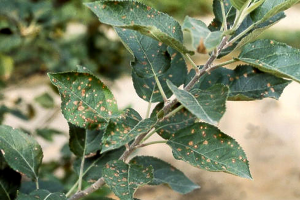
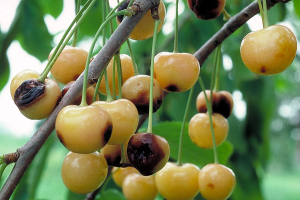
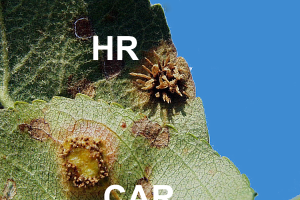
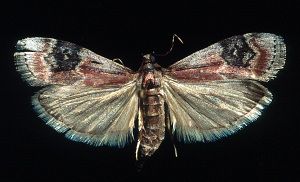
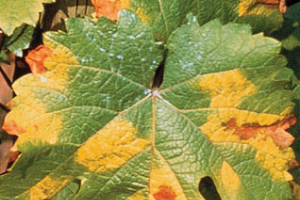
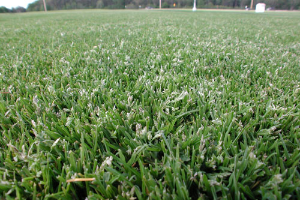
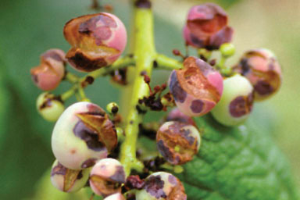
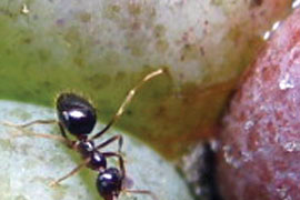
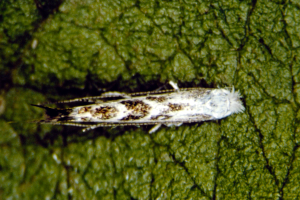
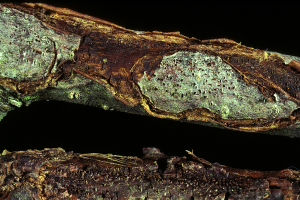
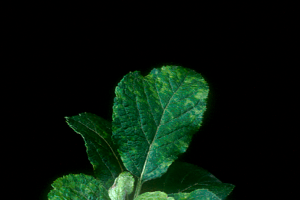
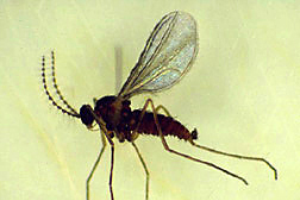
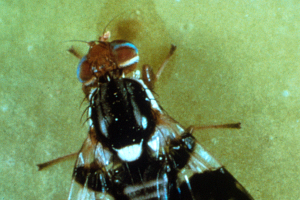
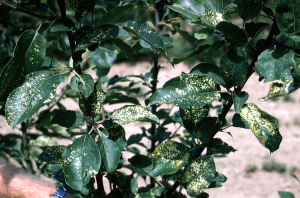

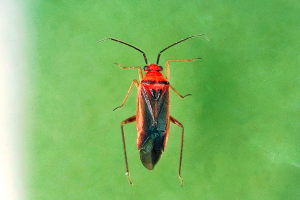
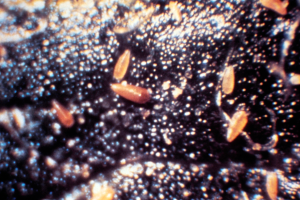
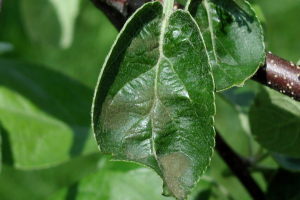
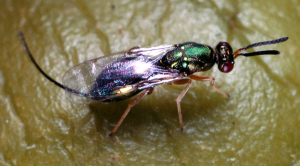
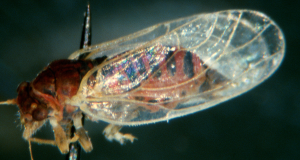
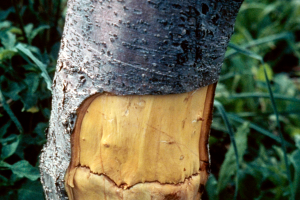
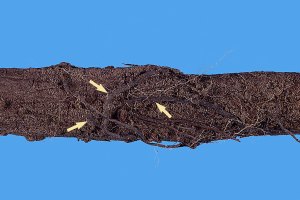
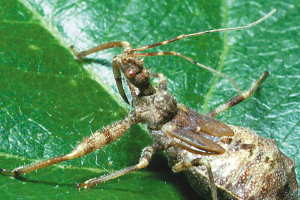
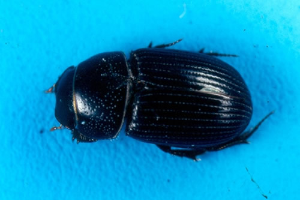
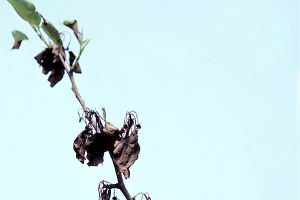
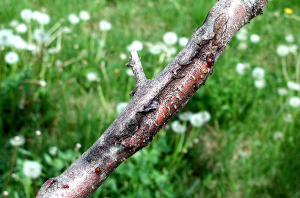
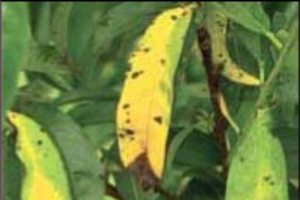
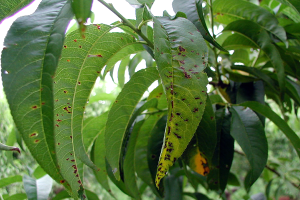
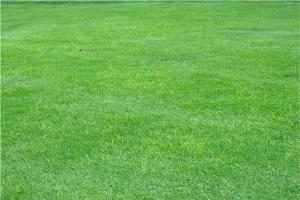

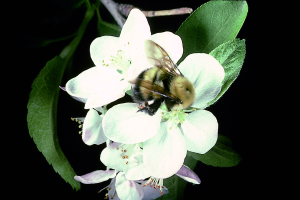
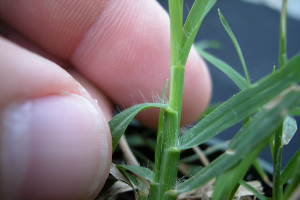
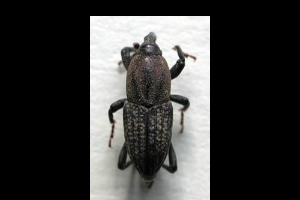
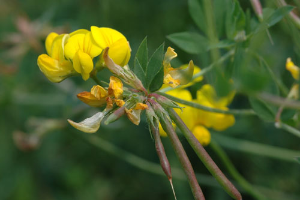
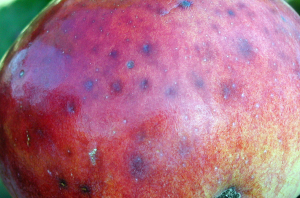
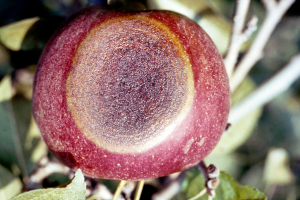

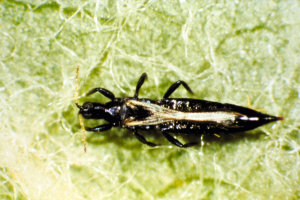
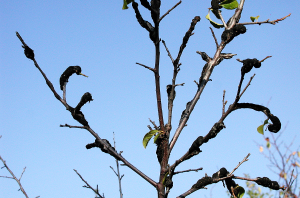
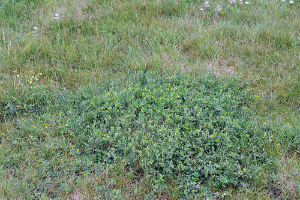
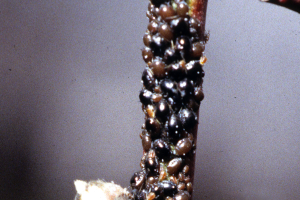
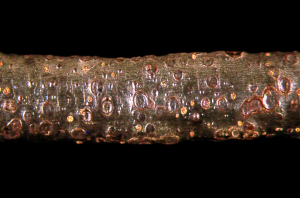
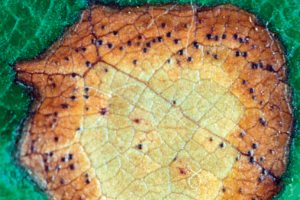

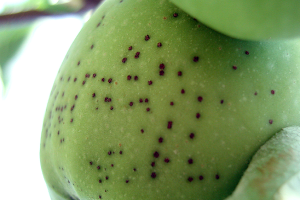
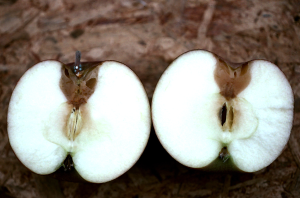
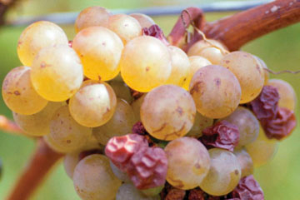
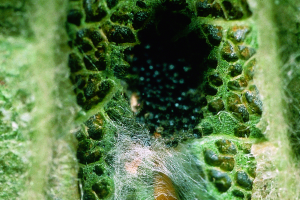
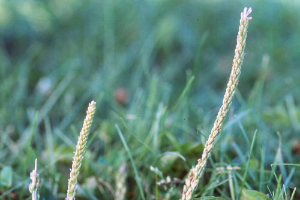
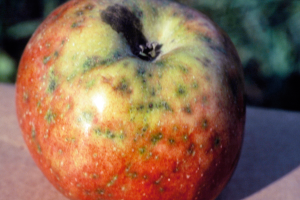
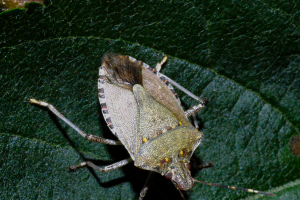

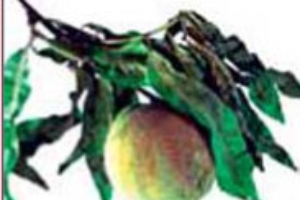
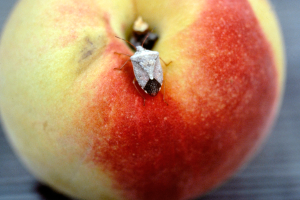
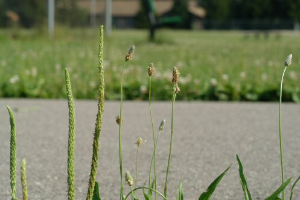
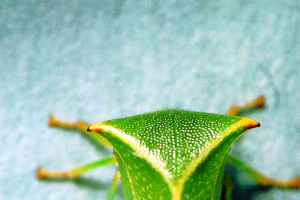
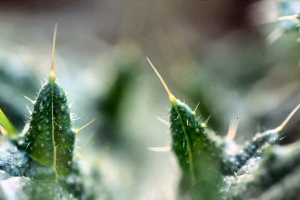


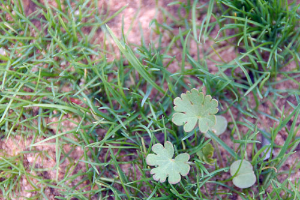
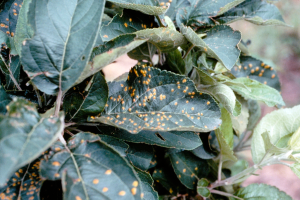
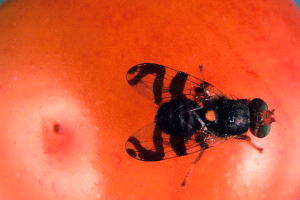
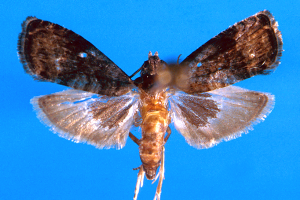
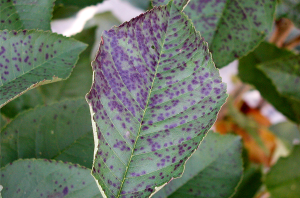

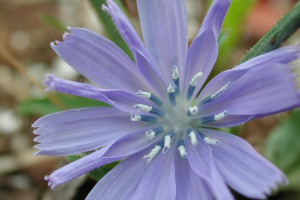
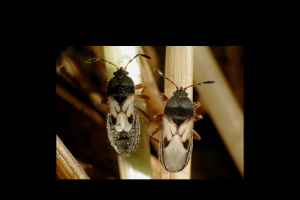
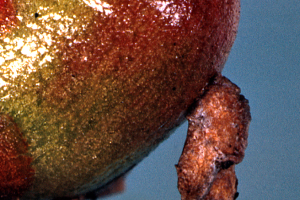
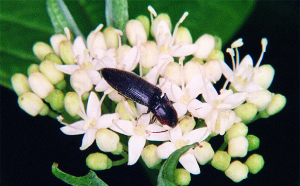
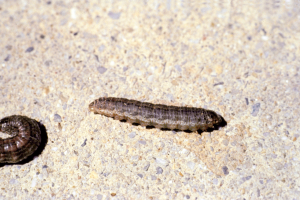
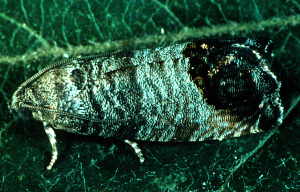


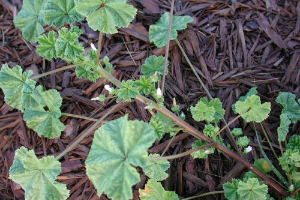
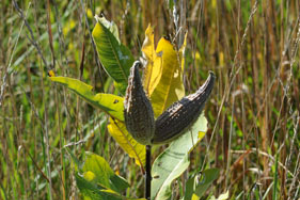
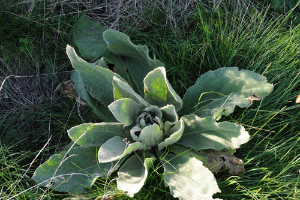
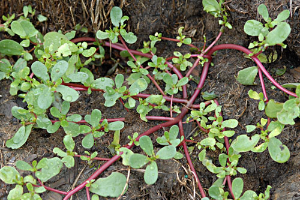

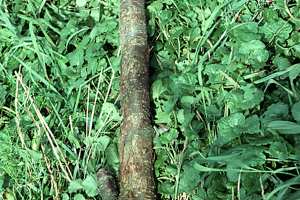
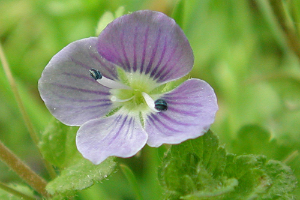

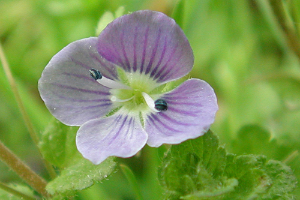

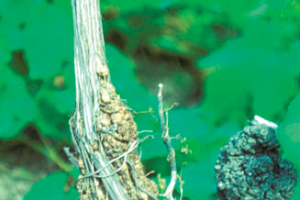
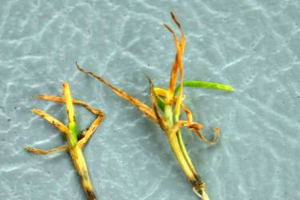
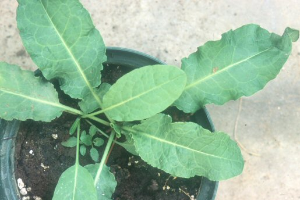
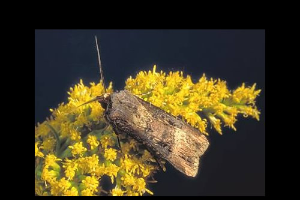
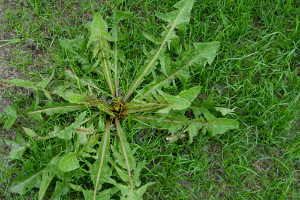
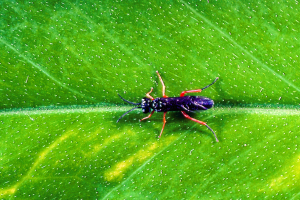
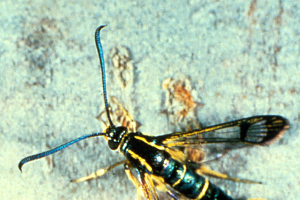


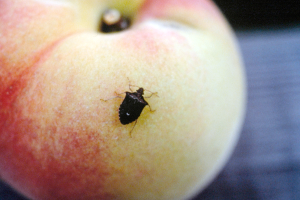
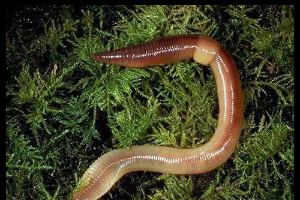
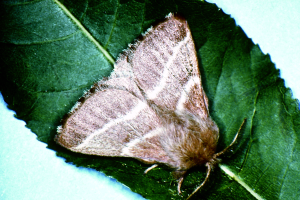
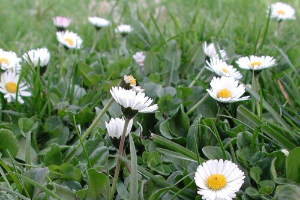

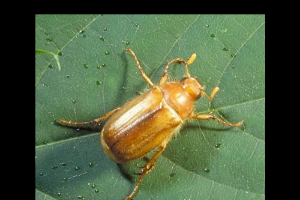
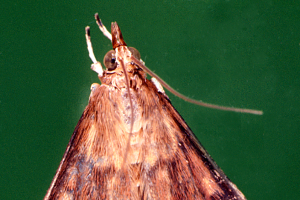
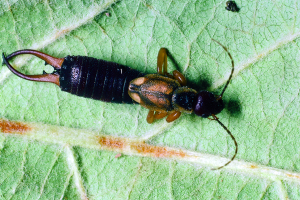
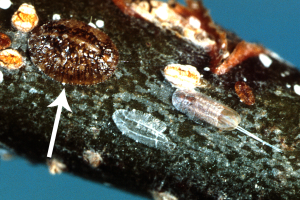

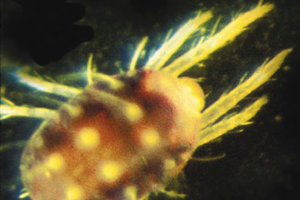
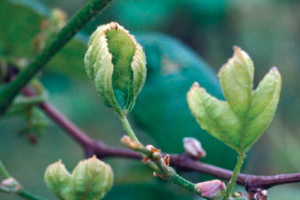
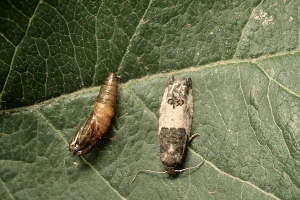
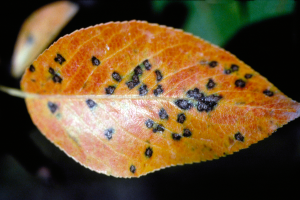

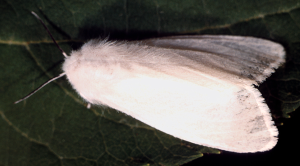
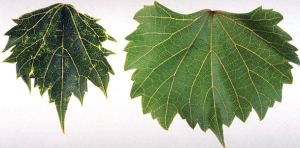
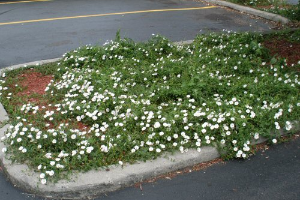
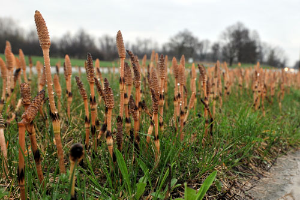
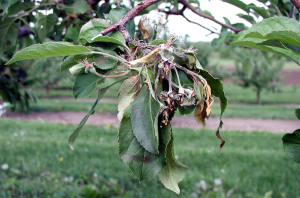
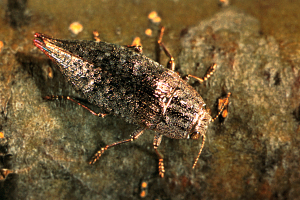
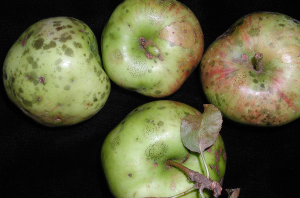

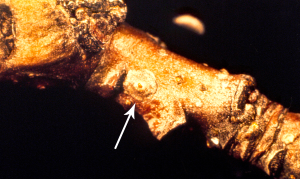
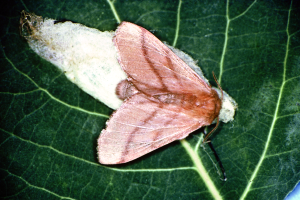
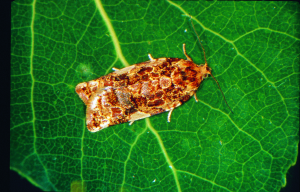
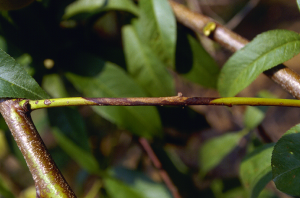
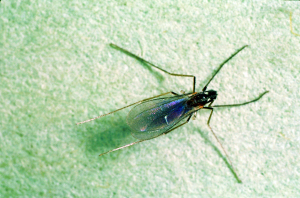
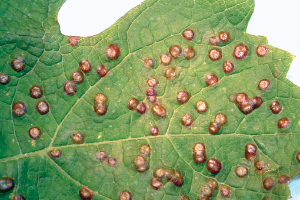
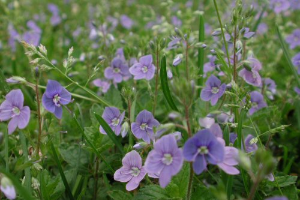
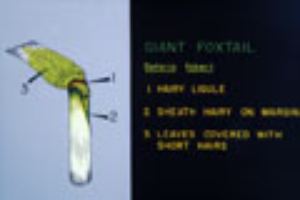
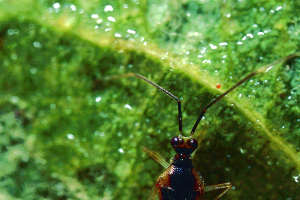
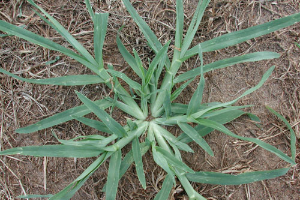
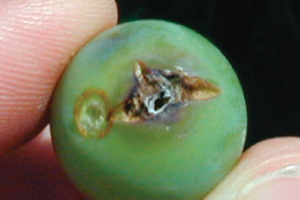
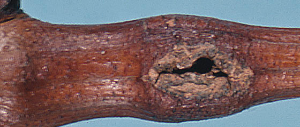
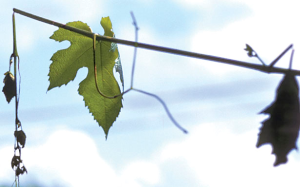
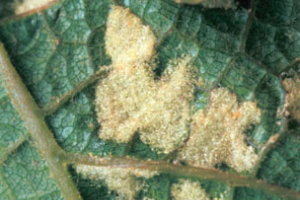
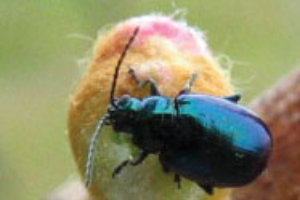
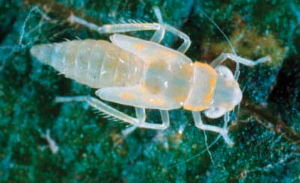
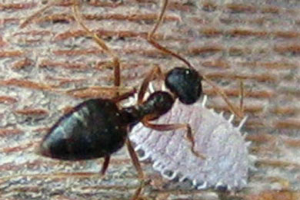

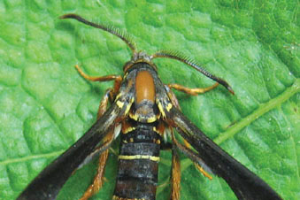
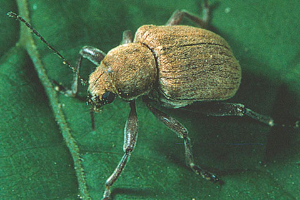
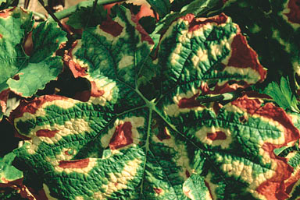

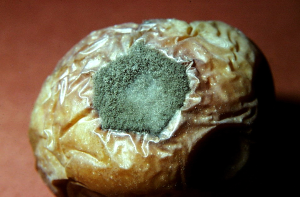
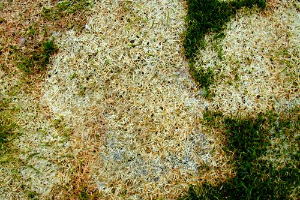
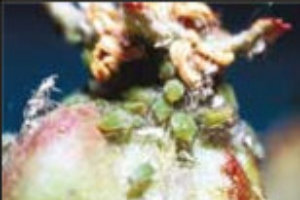
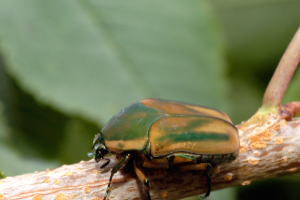
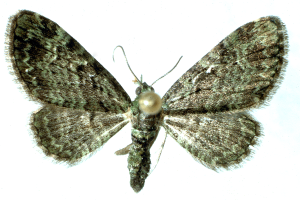
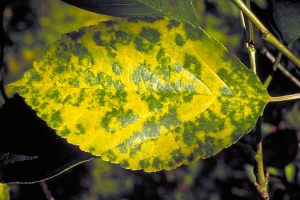
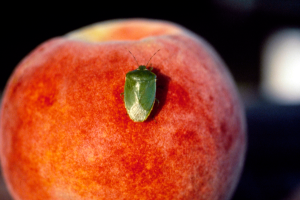
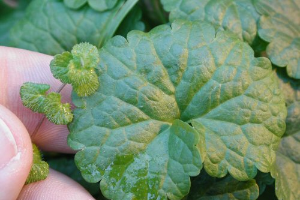

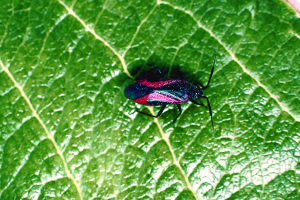

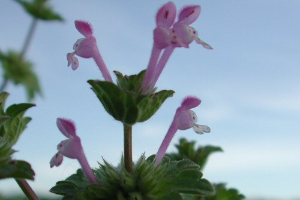
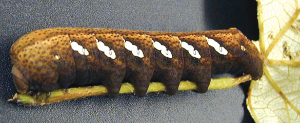
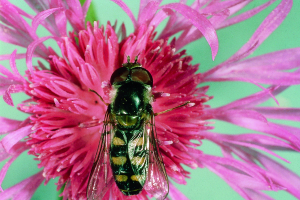
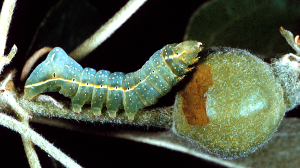
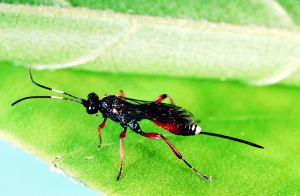
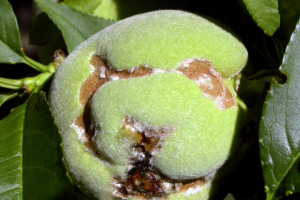
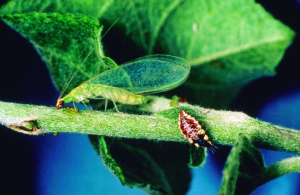
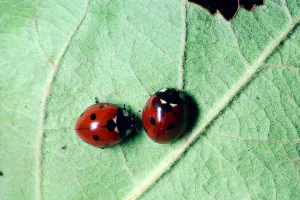
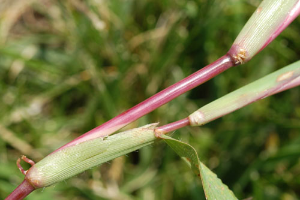

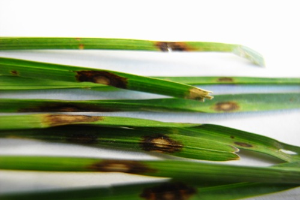
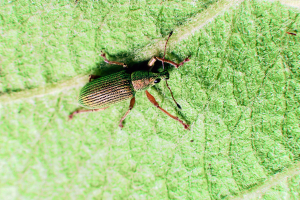
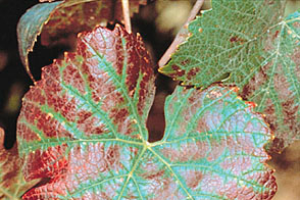
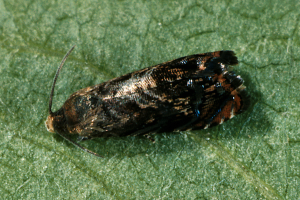
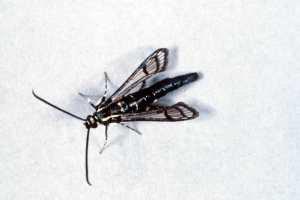
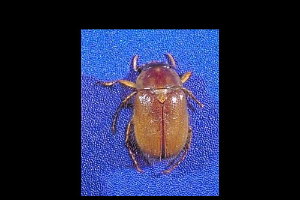
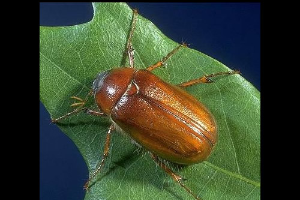

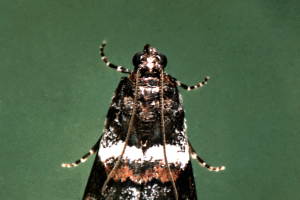
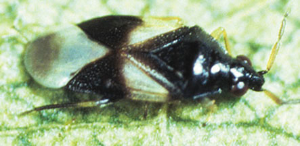
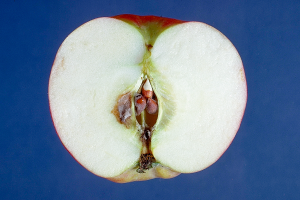

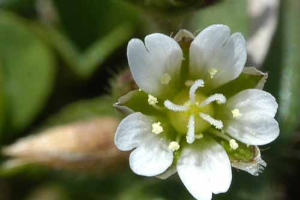
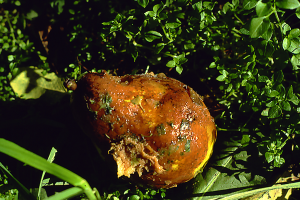
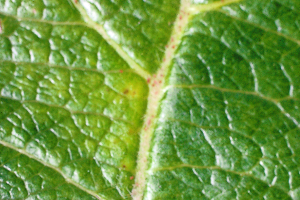
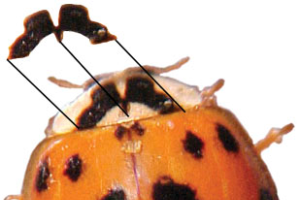
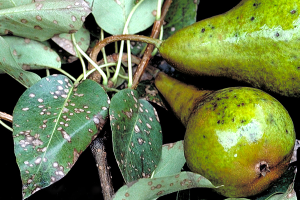

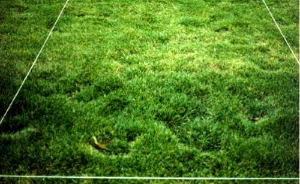
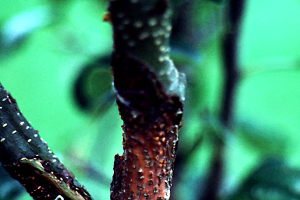
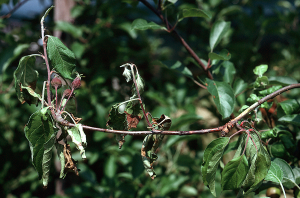
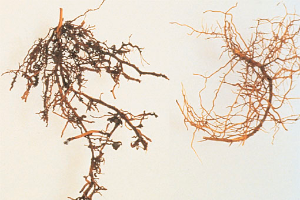
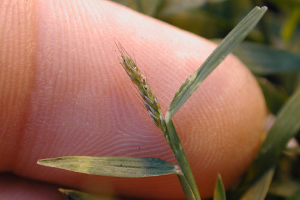
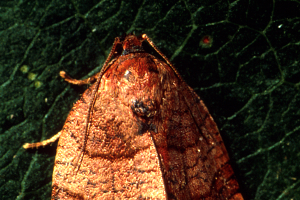
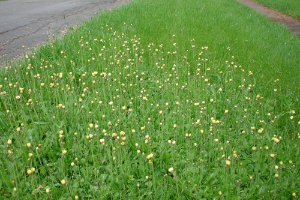
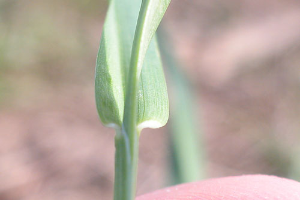
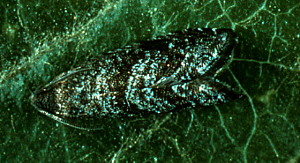
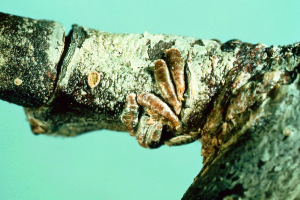
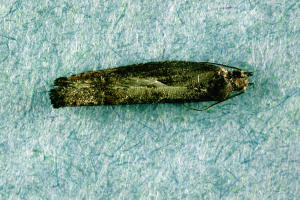
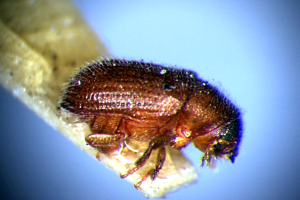
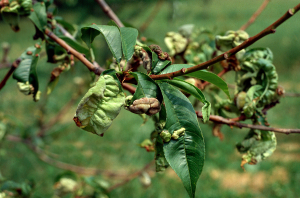


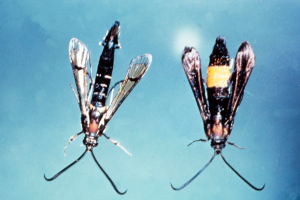
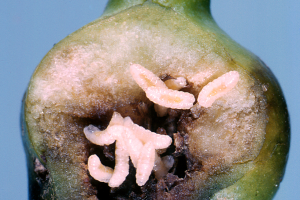
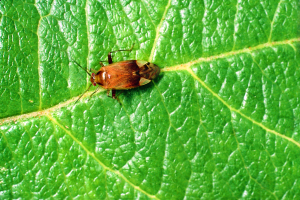
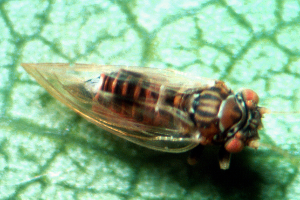
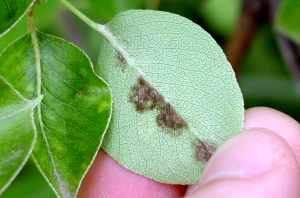

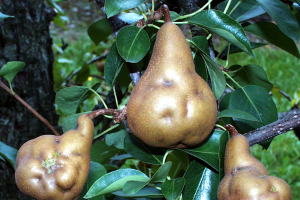
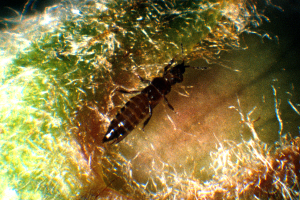
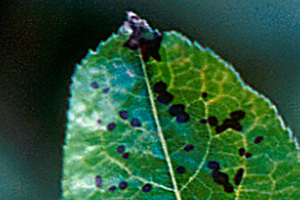
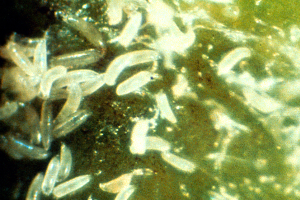
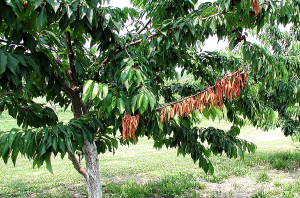
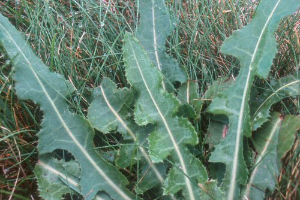

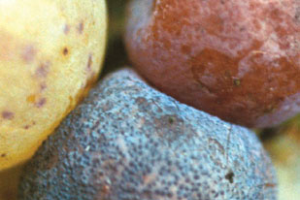
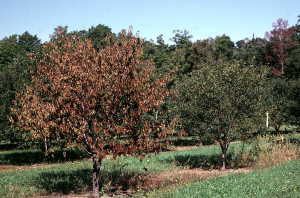
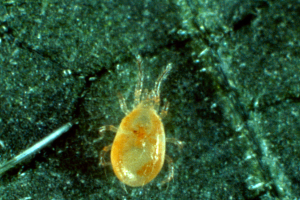
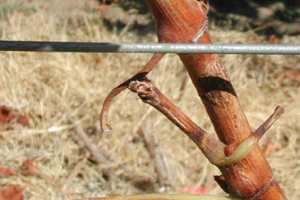
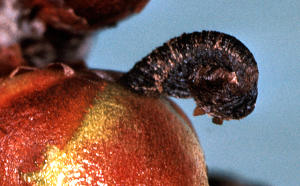
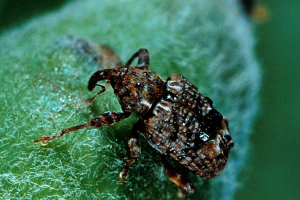
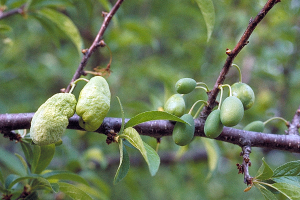
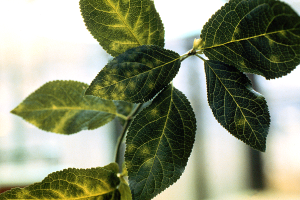


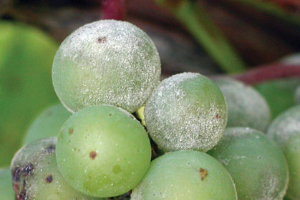
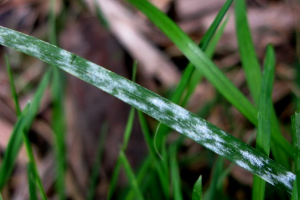
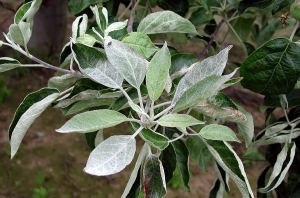
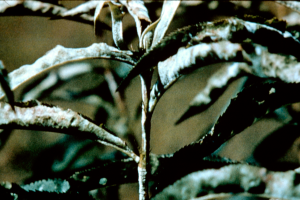
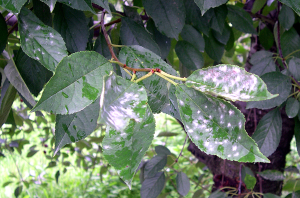
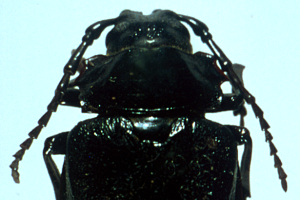
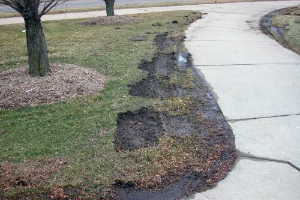
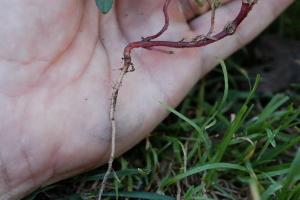
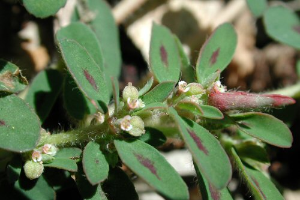
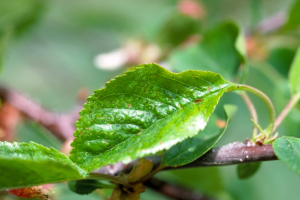
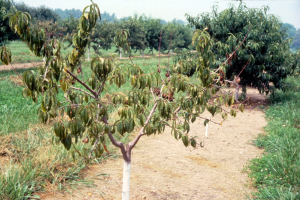
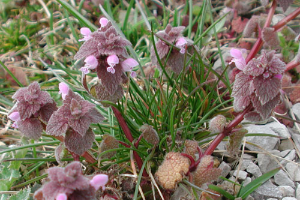
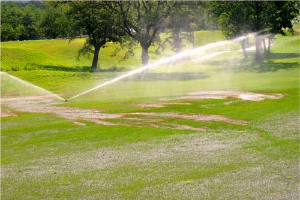
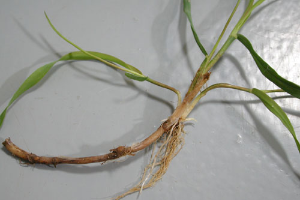
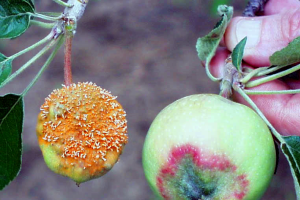
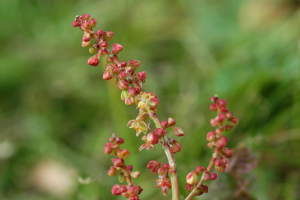
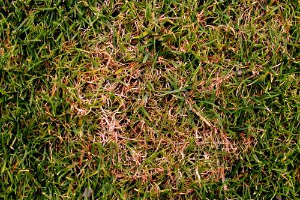
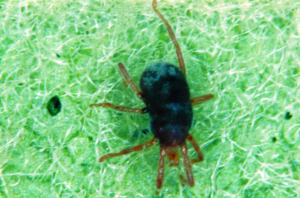
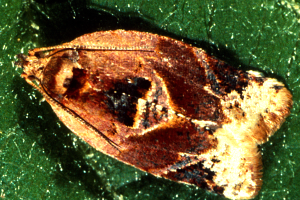
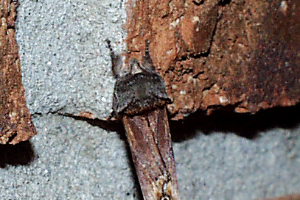
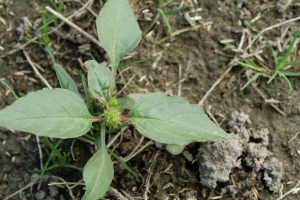
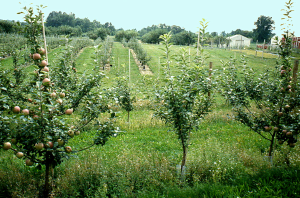
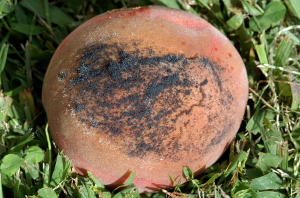

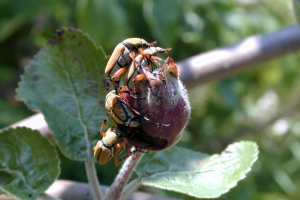
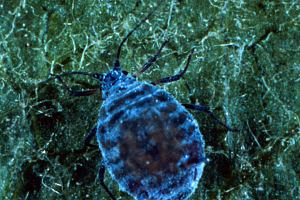
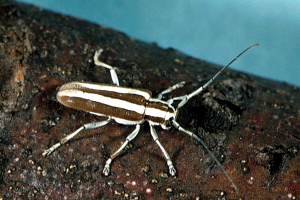
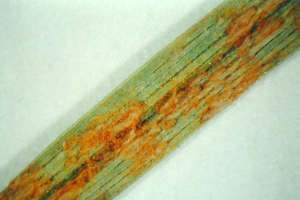
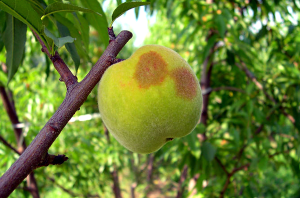
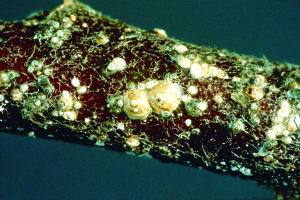
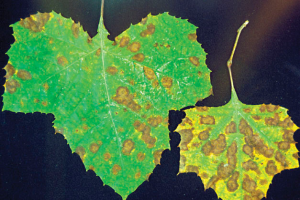
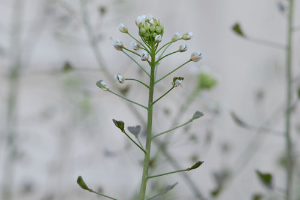
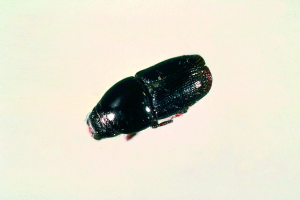
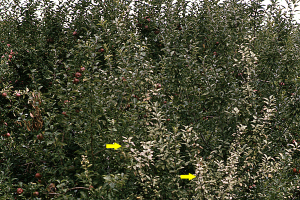

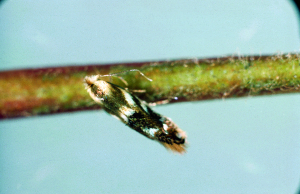

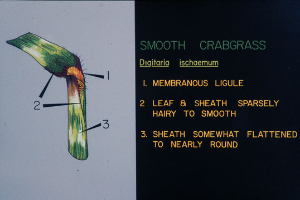
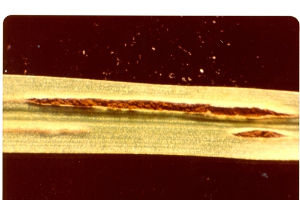
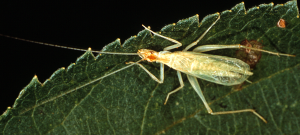
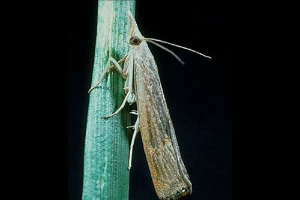
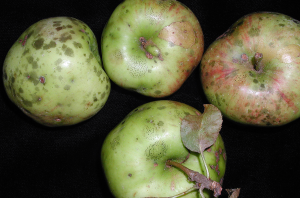

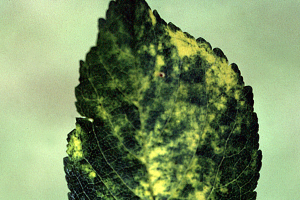
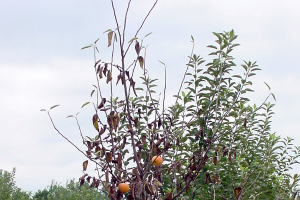
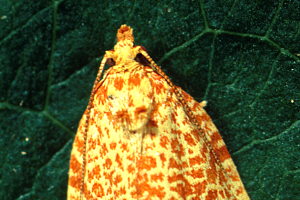
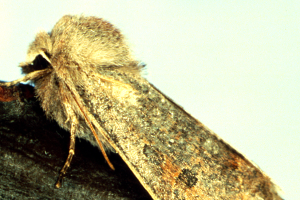
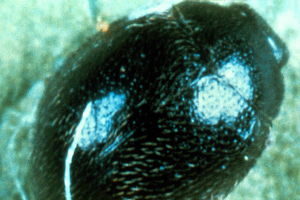
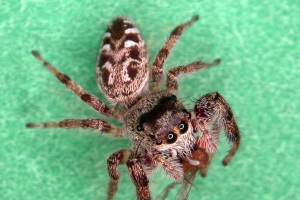
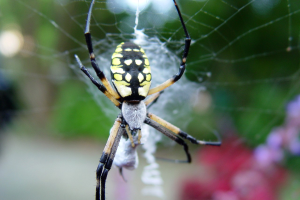
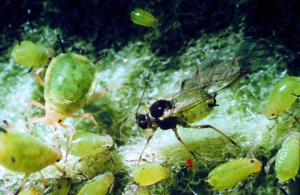
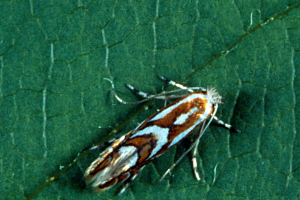
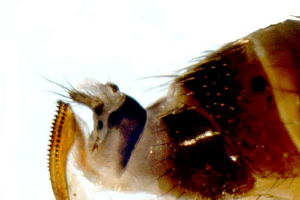
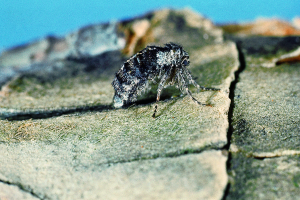
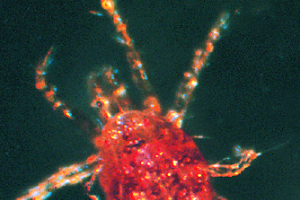
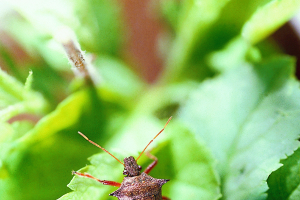
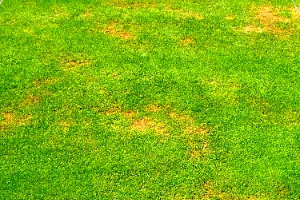
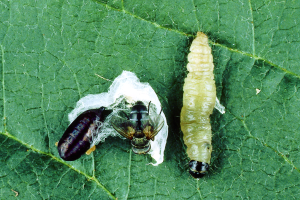
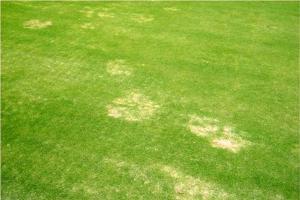

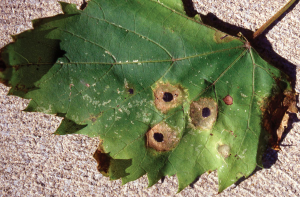
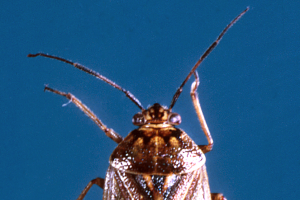
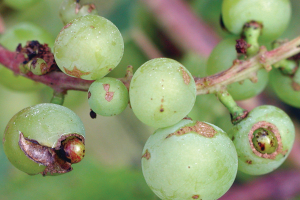
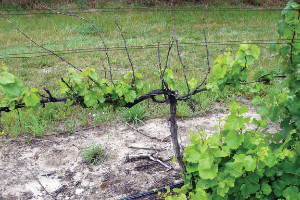

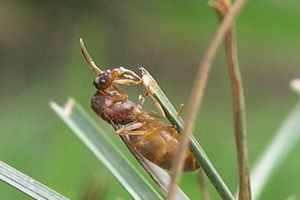
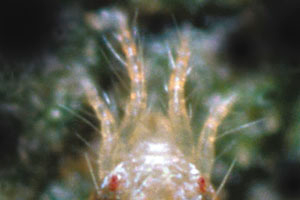
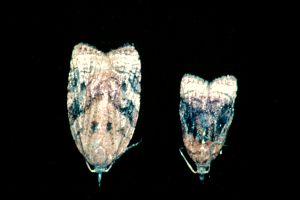

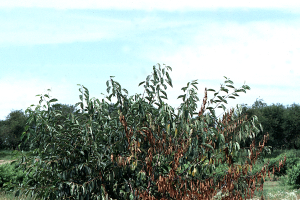
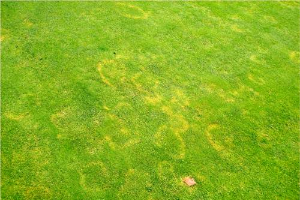
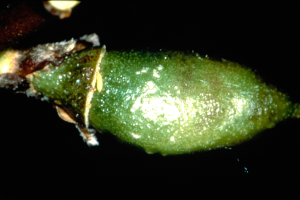
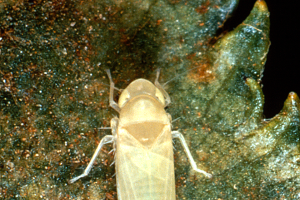
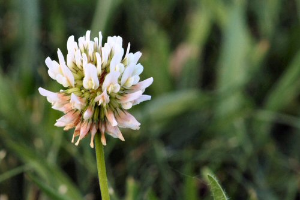
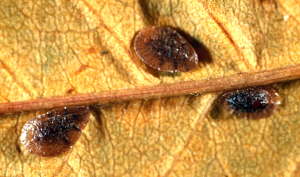
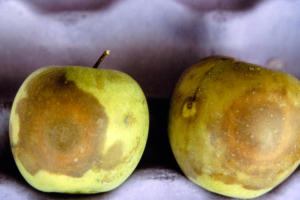
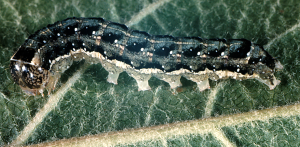
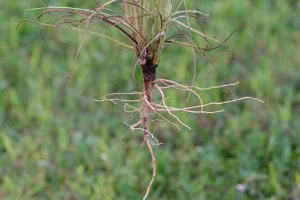
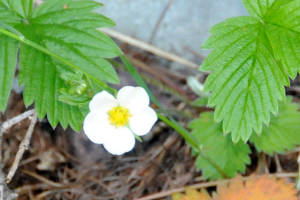
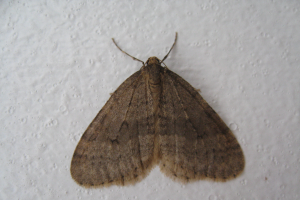
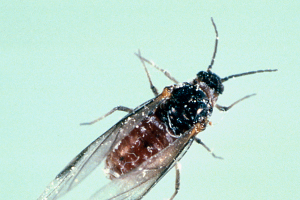
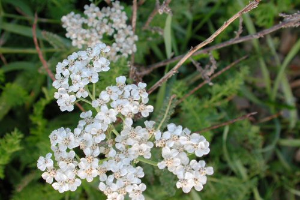
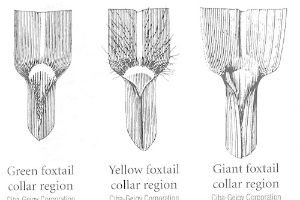
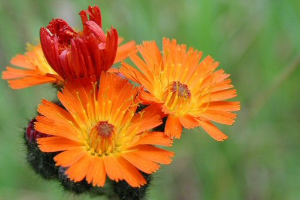
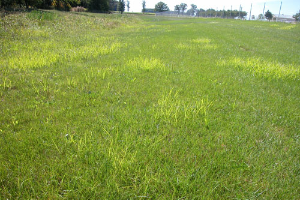
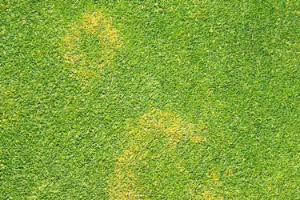
 Print
Print Email
Email